
10月8日来讯:西安府围城五个半月
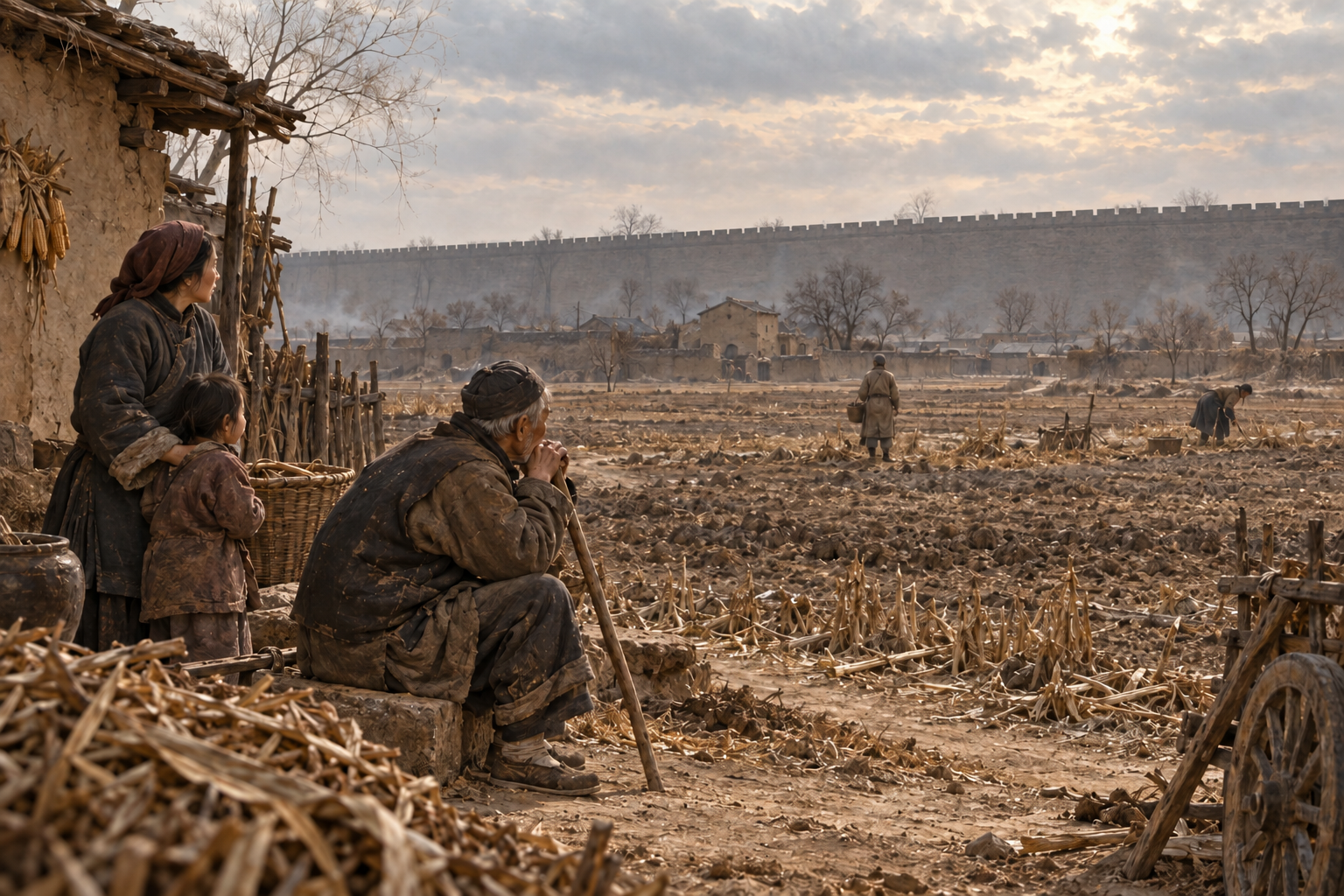
据一则10月8日发出、昨天在上海收到的消息,自革命最惨烈的日子以来,陕西居民从未经历过如今这样的苦难。西安府(Sianfu)已被围困五个半月,当地农业完全停顿,居民遭到焚烧和拷打,以便为敌对军阀筹款。饥荒正逼近全省。局势没有好转迹象,反而很可能恶化。
01 / 战讯
据一则10月8日发出、昨天在上海收到的消息,自革命最惨烈的日子以来,陕西居民从未经历过如今这样的苦难。西安府(Sianfu)已被围困五个半月,当地农业完全停顿,居民遭到焚烧和拷打,以便为敌对军阀筹款。饥荒正逼近全省。局势没有好转迹象,反而很可能恶化。
02 / 交通
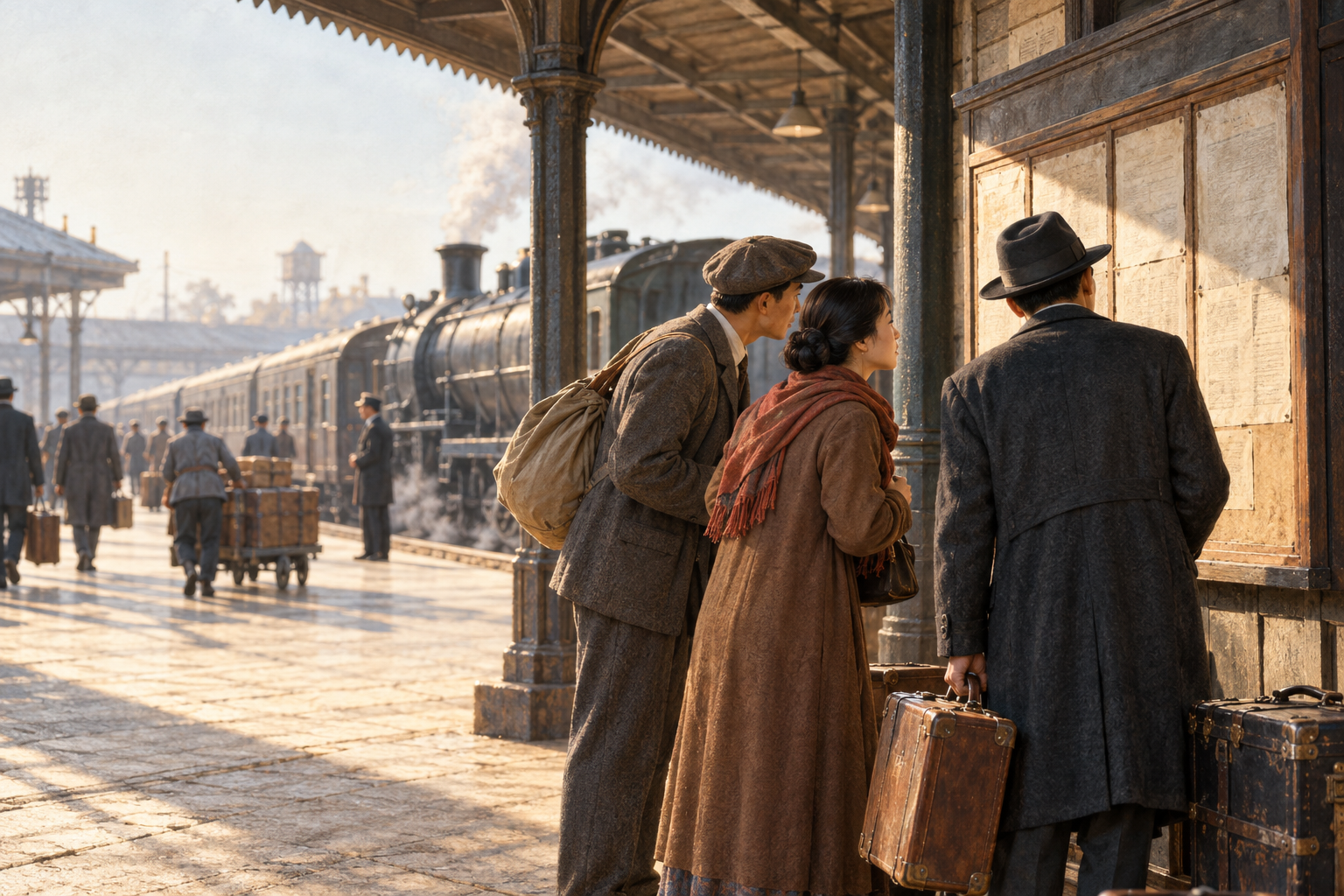
中国国有铁路公布主线及吴淞支线安排
主线
1.原定16时开出的上行快车,改于8时50分自上海北站发车。
2.原定16时开出的下行快车,改于9时10分自南京发车。
3.原定23时自上海北站开出的上行夜快车停开。
4.原定23时自南京开出的下行夜快车停开。
吴淞支线
67次上行列车于19时抵达上海北站后,所有列车均停开。详情请向交通经理查询。
奉命发布:交通经理。上海,1926年10月24日。编号2 6205。
单向通行
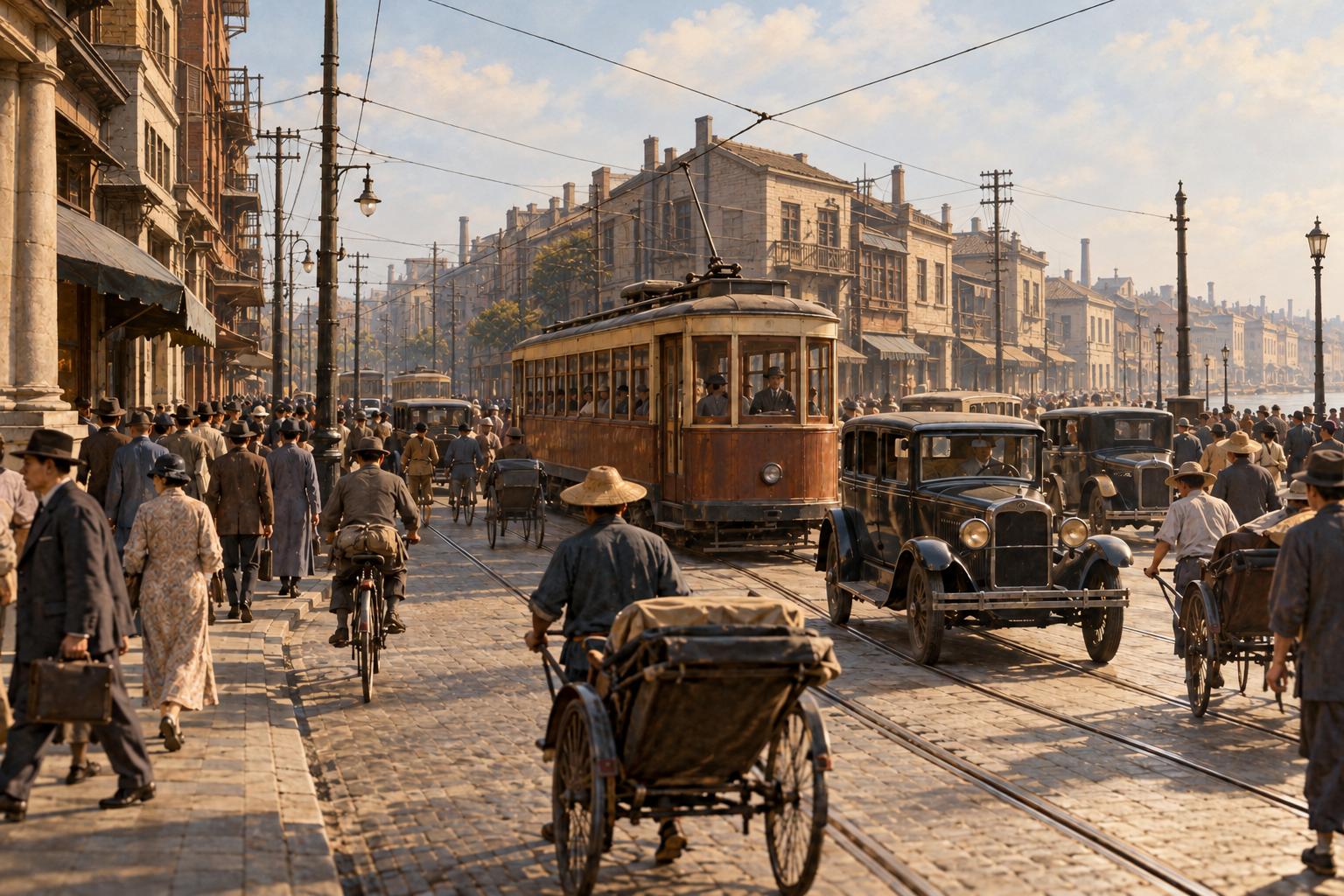
有人建议采用单向交通制度。本报一直主张这一制度,认为它很好。不过还应考虑一点:拥挤时段的交通实际上几乎已经是“单向”的。一股车流从办公室向西行驶,另一股则向北行驶;逆着这两股车流的交通几乎可以忽略。
我们建议在这些交通高峰时段,把快速车辆引到与慢速车辆不同的路线。例如,向西返回的汽车可改走爱德华七世大道(Avenue Edward VII)或北京路(Peking Road),慢速车辆则走南京路(Nanking Road);有轨电车使南京路上的车速不得不放慢。南北向交通问题更棘手,因为主要干道不够清楚,也不容易按快慢分流。不过,采取类似办法,无疑会比现行方法有所改善。
驾车人对西向路线方案有一个合理的反对理由,那就是爱德华七世大道的路况糟透了。目前许多驾车人宁可在路面良好的南京路上受堵,也不愿在爱德华七世大道和福煦大道(Avenue Foch)上颠簸;后者有些地方简直像刚犁过的田地。
03 / 上海
东穆尔号煤舱起火,火势得到控制
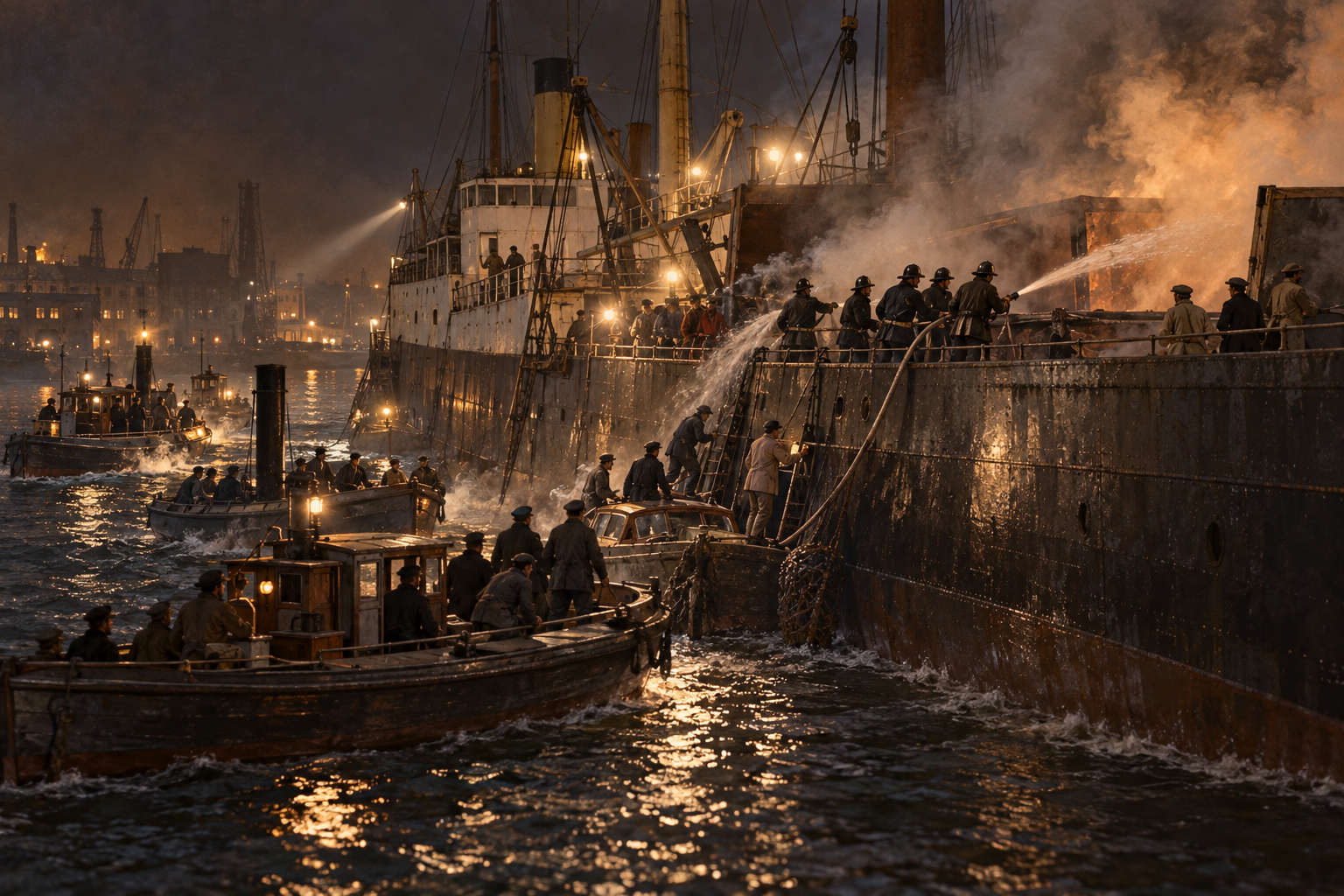
昨晚较早时分,港内一艘船上发生火情,现场一度像是严重的船舶大火:停泊在浦东麦肯齐码头(Mackenzie's Wharf)、爱德华七世大道(Avenue Edward VII)对岸的东穆尔号(S.S. Eastmoor)船舱内冒出浓浓黑烟。
消防船立即出动赶往现场,虹口消防队也派出一队人员,带齐相应的消防器材。与此同时,港内各海军舰艇都迅速派出汽艇,将消防人员送上该船协助灭火。美国休伦号(U.S.S. Huron)、英国皇家海军温迪克蒂夫号(H.M.S. Vindictive)、法国旗舰朱尔·米什莱号(Jules Michelet)和意大利军舰塞巴斯蒂亚诺·卡博托号(Sebastiano Caboto)都派出人员,组成一支强大的消防队。
查明火从船中部一处煤舱舱口窜出。明火虽不算大,煤舱里的煤却烧得很危险。消防人员迅速向船内灌水,升起的浓烟在租界许多地方都能看到;火势受到控制后,烟仍持续从船舱内冒出相当一段时间。除进水和煤舱内部烧焦外,船只损失不大。
消防队一直在船上工作到9时30分以后。入夜后,附近海军舰艇集中探照灯照亮现场,灭火工作因此大为便利。整个行动期间,灯光都照向遇险船只,使消防队的工作容易得多。
戴森船长也在现场。他昨晚表示,海军各单位在火灾初起及之后的行动中提供了出色服务,值得高度称赞。
由拉什船长指挥的东穆尔号星期五抵达上海;它从哈瓦那载糖驶来,昨天正在卸货。起火前大部分货物已经卸下,货舱里剩余货物几乎没有受损。
二十名闲汉围攻,理发师受伤
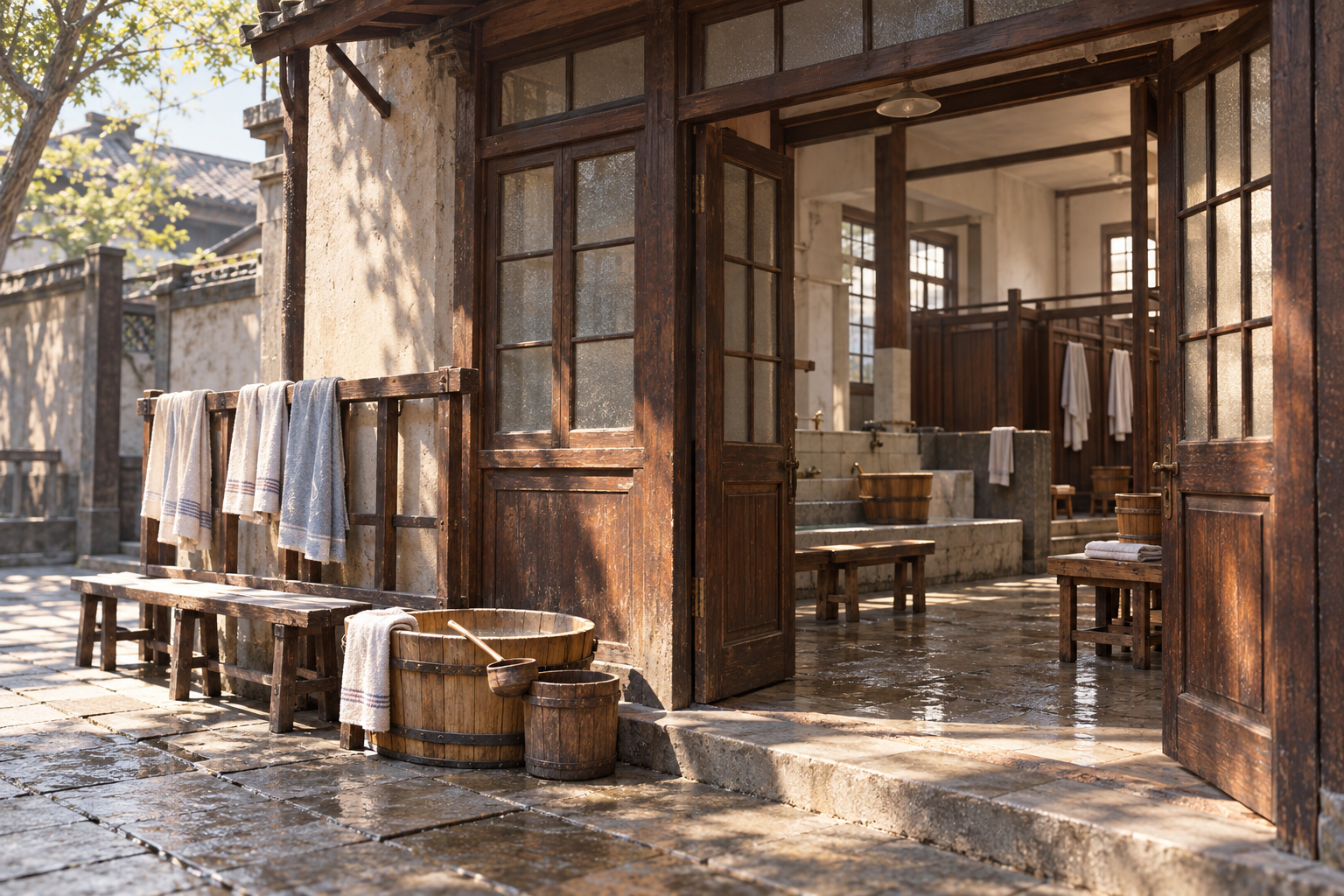
上周五下午,约20名闲汉与一名华籍看守发生争执,一场浴室斗殴以看守丧命、一名无辜的华籍理发师受伤告终。
看起来,看守觉得星期六夜里该循着清洁之路向善;但星期六夜里要值班,他便决定星期五下午洗澡,既合适,也可免去在自己常去的浴室里照例争抢浴间。于是他前往Arthur Road 2745号一家颇受欢迎的浴室。他的行踪被一伙约20名闲汉留意到;看守此前曾得罪过他们。那伙人跟着他进入浴室。
究竟是什么引发了纠纷,至今没人肯好好说明;不过,几名目击者会作证说,看守正要照常洗浴时,那伙人便袭击了他。打斗中有人开枪,三发子弹落在这名准备洗澡的人身上。
一名在浴室附近做生意的好奇理发师也被一颗子弹擦到脸颊,所受不过是皮肉伤。
看守就没有这么幸运了。子弹击中要害,致其死亡。
那伙人逃走了;截至目前,警方尚未逮捕任何人。
04 / 社会
法院暂缓执行六个月监禁
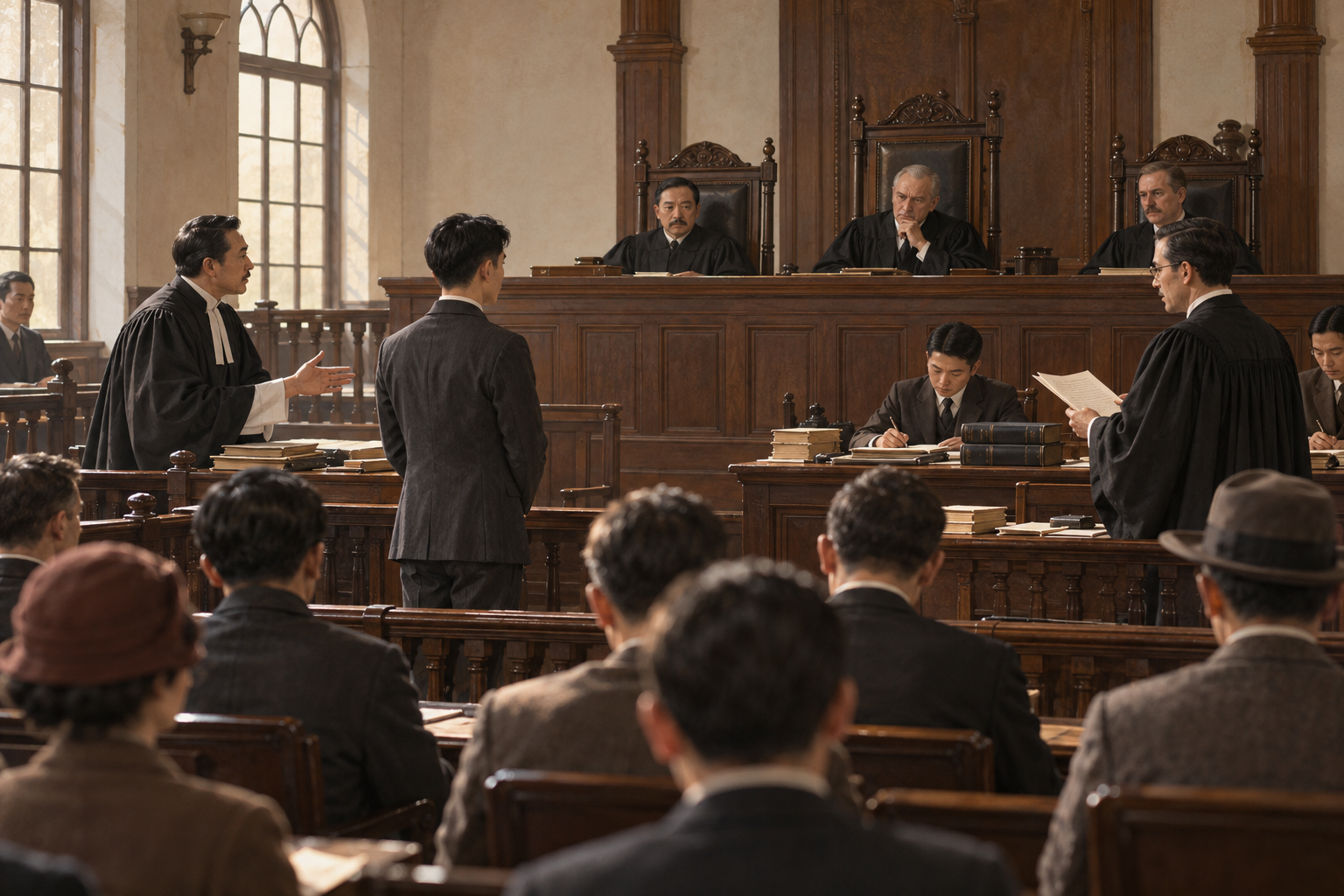
昨天上午,混合法院判处一名年轻华籍收款员六个月监禁,暂缓执行。他被裁定不当占有雇主的750 Tls.和$510。
庭上称,被告受雇于Shing Tai Electric Company已有8年;在此期间,他收取了若干款项,却没有记入账簿。他被控不当占有的款项,是过去6年逐渐累积的。
Musso先生代表投诉公司出庭,H. D. Rodger先生代表被告。
后者请求从轻发落,指出被告为投诉方工作超过8年,每月工资只有$25,还要靠这笔钱养家糊口。庭上承认,他结婚时曾获预支$1,200;但如果被告入狱,家中便无人供养。他建议暂缓执行刑罚,并在被告再次惹上麻烦时再令其服刑。
经过长时间商议,法院判处被告入狱6个月,但暂缓执行;条件是,如果他再次惹上麻烦,仍可令他服刑。
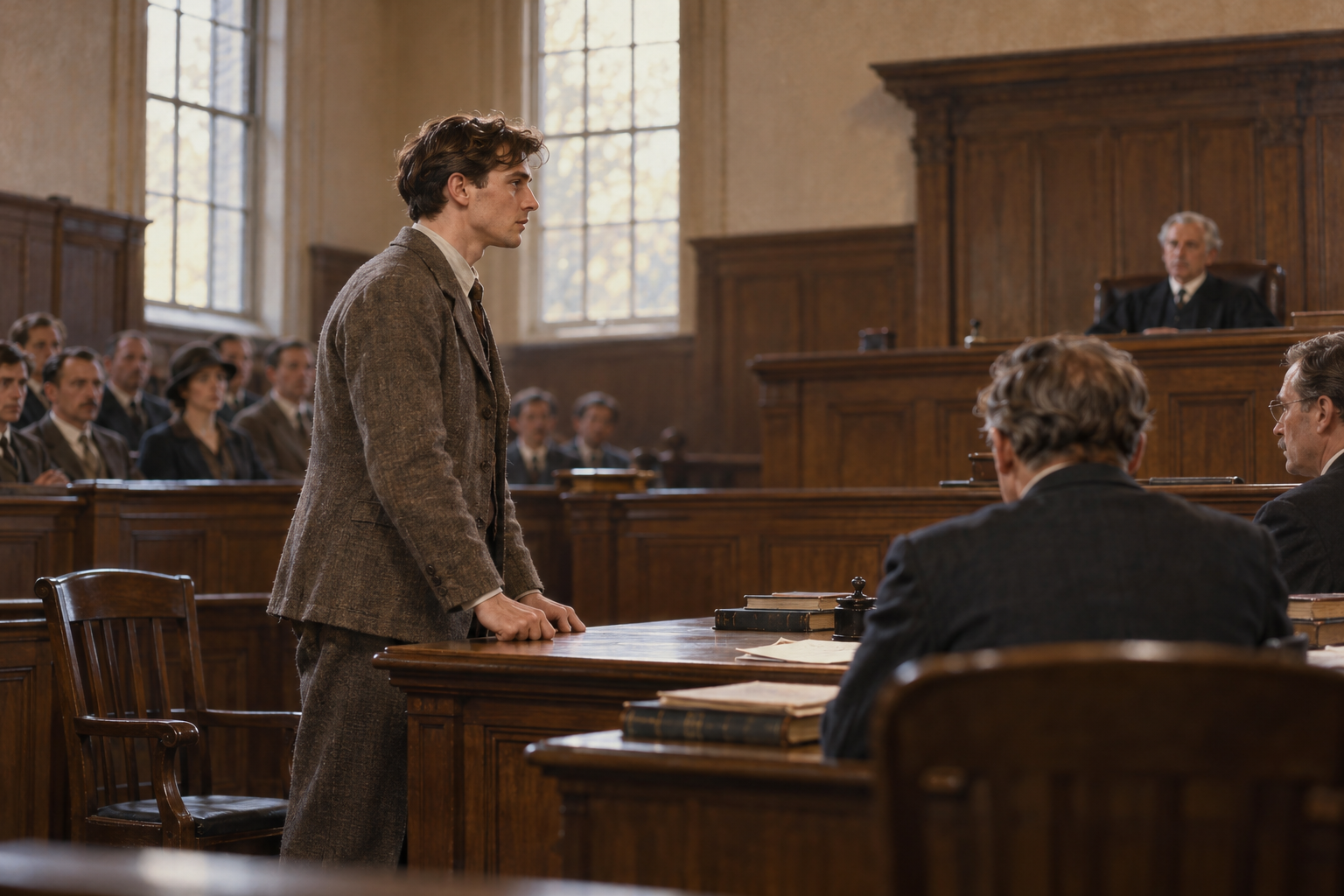
有趣的是,几天前,霍夫市长以裁判官身份审案时,严厉斥责一名穿法兰绒衣服出庭的年轻人,命他回去“穿得体面些”。年轻人照办,后来穿着深色西装、浆硬领子,像一名城里的办事员。可以设想,如果他不服从会怎样,因为出庭见裁判官并没有规定服装。若要定下硬性规则,就会遇到不少困难,还得评估每一位出庭者的社会地位。富人若穿着园艺时穿的旧衣服,想必会被认为失礼;而他的园丁即使穿着更破旧的衣服,也会被视为穿着得体。
05 / 文化
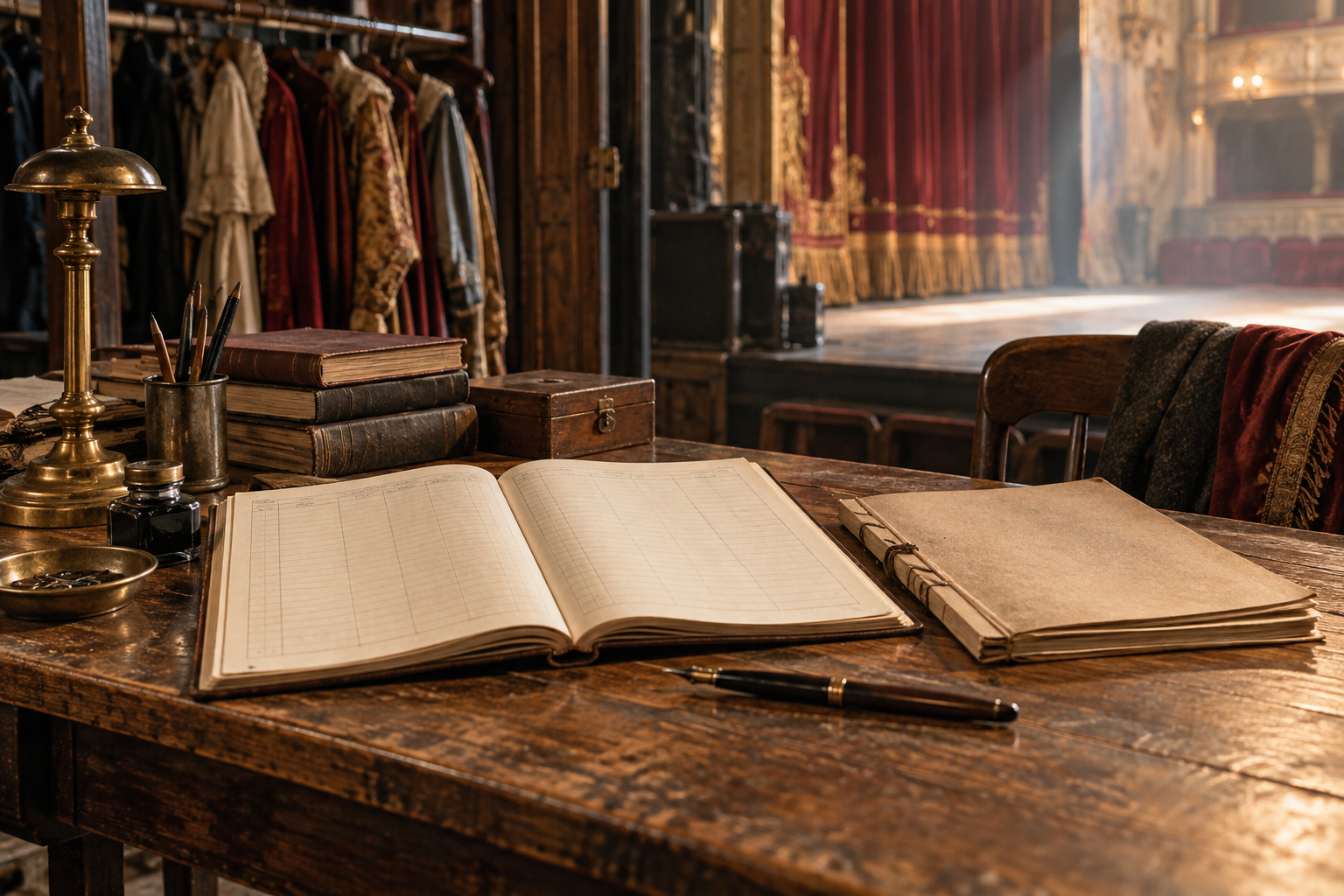
一笔财富有时能靠一出成功的戏迅速积累起来;但更令人惊讶的是,积累财富的人也可能很快失去它。因《Chu Chin Chow》而闻名的奥斯卡·阿什(Oscar Asche)已经破产;他本周在伦敦破产法庭告诉债权人,自己因在格洛斯特郡饲养和训练灵缇犬损失了45,000英镑。资产负债表显示,他负债44,311英镑,净资产为零。
据称,1916年《Chu Chin Chow》在陛下剧院上演,由一家私人公司出资。阿什先生在5年间每周领取80英镑薪金,并获得100,000英镑版税。1921年10月,他又在同一剧院推出音乐剧《Cairo》,并亲自创作剧本;薪金为每周150英镑,此外还从《Kismet》获得30,000英镑版税。
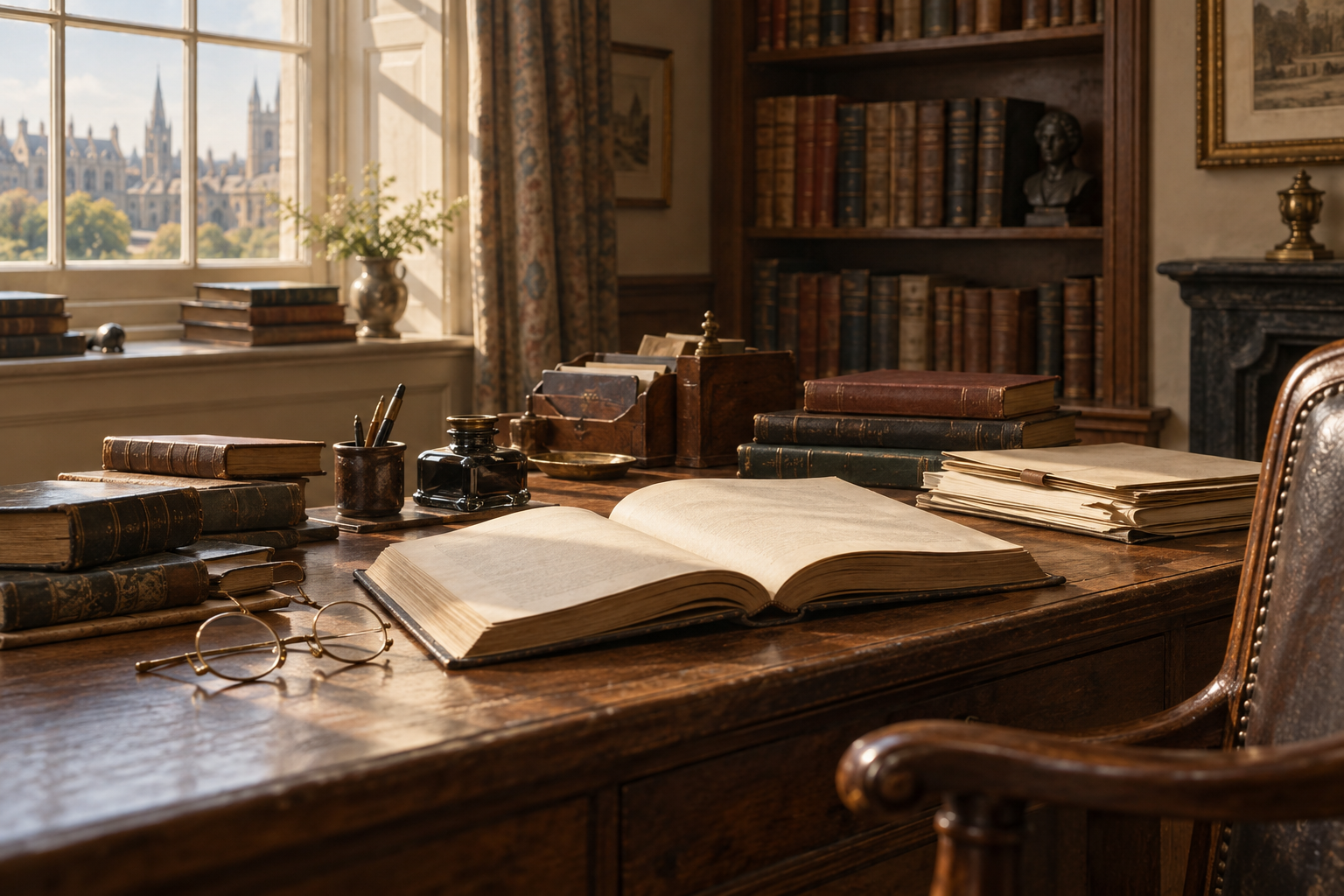
帕里法官(Judge Parry)在一份周刊上开辟了狄更斯研究的新路径。他大胆质疑人们普遍接受的看法,即狄更斯是漫画式人物画家。在三十年的郡法院工作中——那里审理较小的民事诉讼——帕里法官常遇到一些男女,仿佛从狄更斯小说里走出来。
尽管服饰、外貌和举止不同,他们当中有些人的本质与威尔金斯·米考伯(Wilkins Micawber)、蒂姆·林克沃特(Tim Linkwater)、费迪南德·巴纳克(Ferdinand Barnacle)或文森特·克拉姆尔斯(Vincent Crummles)相同。
帕里的一位兰开夏朋友,在精神上就是约翰·布劳迪(John Browdie)的双胞胎;他用自己在格洛索普(Glossop)的乡音,说出同样诚实直率的话。帕里法官说:“罗莎·达特尔(Rosa Dartle)早已常来我们的郡法院,至今仍在追问。”
他回忆一名在诺福克法院作证的证人;此人应付律师和法官时沉着而厚颜,正如山姆·韦勒(Sam Weller)在巴兹弗兹(Sergeant Buzfuz)审问下的表现。他还讲起梅德斯通的一场审判:小说家之子亨利·狄更斯(Henry Dickens)问一名证人一个不合规的问题;这名证人此前一直和一名与案情无关的士兵谈话。律师说:“请告诉我们那名士兵说了什么。”霍金斯法官像猎犬一样扑向他:“狄更斯先生,狄更斯先生,您最应该知道,不能把士兵或任何其他人说的话告诉我们;那不是证据。”
这件事在“巴德尔诉皮克威克案”(Bardell vs. Pickwick)中已经判定了。帕里法官说,这是他所知唯一一次在法院把虚构案件当作法律权威引用的实例。他补充说,英国文学中没有另一段审判叙述,在准确与鲜活程度方面可与之相比。

秋季新书大潮尚未全面涌来,不妨先看看眼下的总体情形。印刷书籍的总生产成本仍是战前的两三倍,不过与1919、1920年的高峰相比略有下降,这是因为书纸价格大幅下跌。印刷费用贵了三倍。雕版成本上升,使插图贵了一倍;三色印刷的插图还要更贵,因为每幅图都要刻三块版。由于纸板变便宜,装订费用正在下降。
看来,出版商还可以省下一项小开支:海涅曼近来几部最畅销的书——尤其《The Constant Nymph》《Cat's Cradle》和《The Forsyte Saga》——都使用完全朴素的封面。高尔斯华绥新作《The Silver Spoon》也已收到大量订购,出版时同样没有彩色护封。
高价书和低价书似乎都被热心读者抢购。例如,欧内斯特·本恩公司称,“六便士诗人”系列和每册售价12几尼的《Eumorphous Catalogue》,最终销售结果几乎同样令人满意。
不过,有些出版商为一册不到300页、字号很大、两小时就能读完的短篇小说集索价7先令6便士,已有人对此发出不满。有人认为,出版这类书的人可能是在杀掉会下“七先令六便士”金蛋的鹅;读者买下一本看似厚实、内容却少得可怜的书,会抱怨自己“上当了”。当他发现另一些出版商以3先令6便士出售全新的小说集时,这种不满会更强烈。
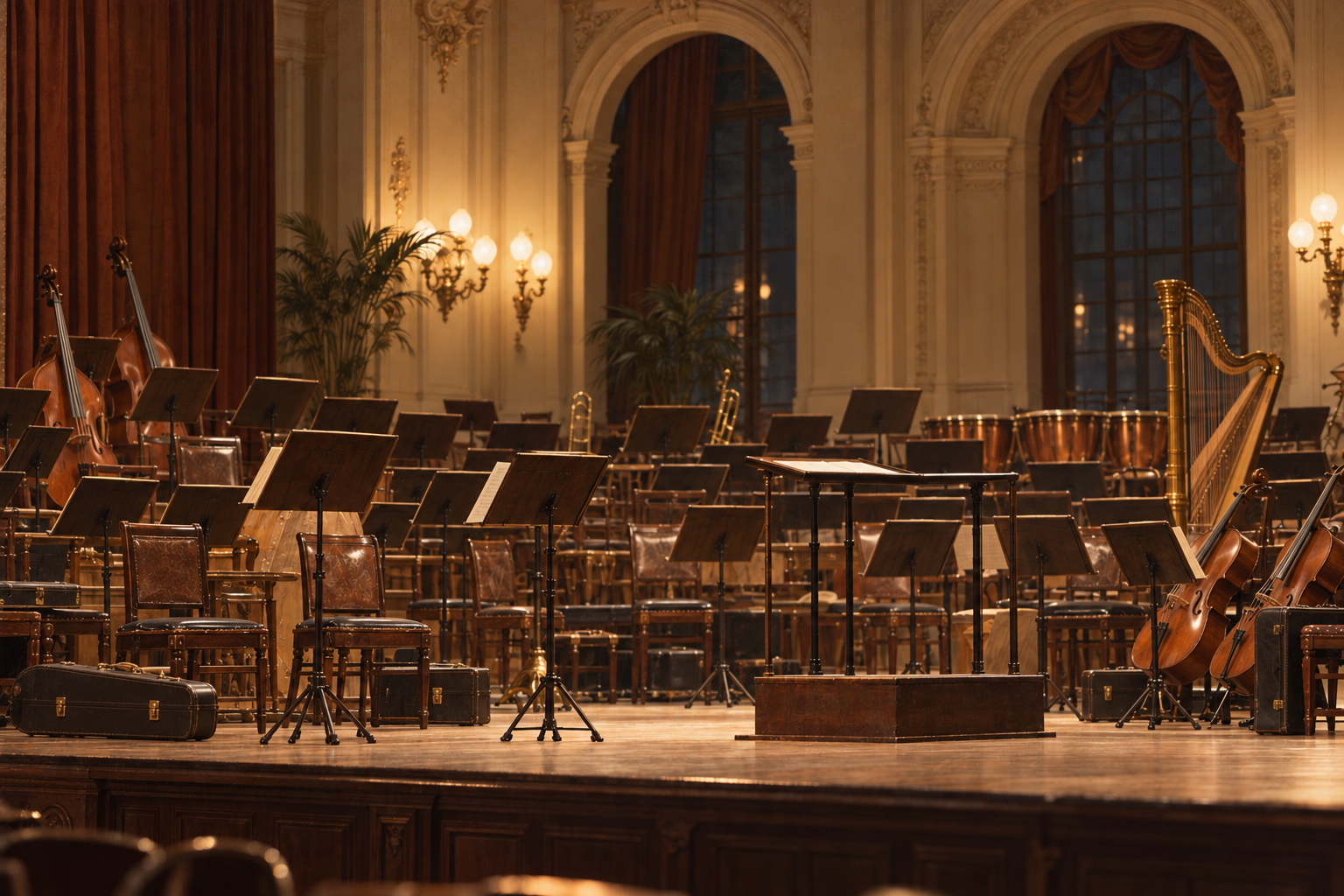
上海市立管弦乐队举行第三次星期日交响音乐会,由马里奥·帕西(Mario Paci)大师指挥,今晚9时15分在市政厅举行。小提琴独奏为A. Foa,中提琴独奏为J. Podushka。
一、《PETIT SUITE》,德彪西。 (a) En Bateau;(b) Cortège;(c) Menuet;(d) Ballet。 《小组曲》原为钢琴曲,其管弦乐版本现已出版。最近在巴黎首次演出,颇获成功。作曲家为每幅声音图景所定的标题,足以说明其性质。
德彪西以印象主义观念震动乐坛以来,人们对他绚丽而难以捉摸的音乐写了许多评论。有人否定它,有人则把它奉为新艺术;它确实是一种新艺术。德彪西式表达自成一格:朦胧、神秘、萦绕心头,并带有几分平凡气息。其大胆的和声手法、异样奇特的特质与辉煌的交响构思,交织着一种前所未见、几乎消散却令人陶醉的力量。音乐化的《牧神午后》有一种无可比拟的魅力,也没有哪种语言能如“低语的小提琴与叮当作响的竖琴、田园长笛与双簧管、森林号角”那样精妙。歌曲中完全不见以往惯用的公式;它们迷人地讲述“纤弱的手指轻触灵魂”“古树的泪水”“令人哀怜、遭冰雹击打的草坪”,以及“无聊的黑色花瓣一滴滴落在头上所发出的疯狂声响”;它们赞美黄昏,并使太阳成为“幻象的杀手、苦难心灵的祝福之粮”。
有人写道,德彪西的作品是现代音乐山脉中最蓝、最美、最闪耀的高峰;人类要穷尽它们的美,恐怕还要很久。
二、《莫斯科回忆》,小提琴与管弦乐伴奏,维尼亚夫斯基。 独奏:A. Foa(小提琴)。 亨利·维尼亚夫斯基(Henry Wieniawsky,1835—1880)是著名的波兰小提琴家,一生大半时间以演奏家的身份巡演欧洲。他创作的作品都力求为演奏者提供最大的技巧发挥空间,同时也运用了本国的节奏和富有特色的旋律。这部作品形式自由,融入许多波兰和俄罗斯特色,也展示小提琴不同的演奏技巧。
三、《意大利印象组曲》中的两个乐章,夏庞蒂埃。 (a)《小夜曲》;(b)《骡子》。 中提琴独奏:J. Podushka。 夏庞蒂埃在罗马美第奇别墅期间创作这部作品(他是否是在巴黎获得罗马大奖后去那里),并于1892年在科隆音乐会上首次演出。以下摘录自法国评论家阿尔弗雷德·恩斯特(Alfred Ernst)生前所写的说明节目:
(a)《小夜曲》。已近午夜。附近的年轻人走出酒馆(osterie),在恋人的窗下唱起悠长而热烈的歌,有时忧伤,常带粗犷的声调(由大提琴全体合奏作独奏声部)。这些相思的乐句由曼陀林和吉他应答。随后,年轻人的歌声(再现开头主题,此时由J. Podushka中提琴独奏)再次响起,渐渐消逝。
(b)《骑骡而行》。傍晚时分,沿着蜿蜒穿过萨宾山脉的道路,骡子随着铃声明亮的节奏匀速小跑。大提琴的旋律是赶骡人放声唱出的“歌”(canzone);随后长笛奏出的甜美三度音,是那群深眸姑娘低声唱出的情歌,她们坐着——或者说跪着——在驶向村庄的大车里。
四、《吉卜赛人》(音乐会狂想曲),小提琴与管弦乐伴奏,拉威尔。 独奏:A. Foa。 莫里斯·拉威尔(Maurice Ravel)1875年出生,曾在巴黎音乐学院学习,是当代最重要的法国作曲家之一,各种体裁的作品都颇为成功。他的风格完全属于自己,同时也反映出其老师Faurie、德彪西以及里姆斯基-科萨科夫、鲍罗丁等现代俄罗斯作曲家的影响。
拉威尔偏爱规模较小的作品,并以丰富细节、复杂和声与音色加以充实。《Tzigane》是一首音乐会狂想曲,原有钢琴或管弦乐伴奏版本。作品献给Jelly d’Aranyi女士。拉威尔或许是最充分发展管弦乐技巧的现代作曲家;在这部独奏乐器作品中,他仍不断拓展乐器的技巧资源,几乎创造出新的音响。《Tzigane》以匈牙利主题为基础,以小提琴独奏的一段长前奏开场,形式近似“华彩”;拉威尔在其中表达主要构思,并在全曲中继续展开。
五、《鹅妈妈》管弦乐组曲,拉威尔。 (a)《纺车舞前奏曲》;(b)《睡美人的帕凡舞曲》;(c)《小拇指》;(d)《丑姑娘,宝塔女皇》;(e)《美女与野兽的对话》;(f)《仙境花园》。 这套精巧而富于幻想的芭蕾《鹅妈妈》取材于“从前……”的《鹅妈妈故事集》,作品表现了其中的奇思妙想。
I.《纺车舞前奏曲》。这段《纺车舞前奏曲》由拉威尔后来创作,并在《鹅妈妈》先前写成的五幅场景组曲改编为芭蕾时加入其中。再没有别的音乐比这段前奏更适合引领观众进入这些音乐童话;《纺车舞》则是对节奏的绝妙音乐表达。
II.《睡美人的帕凡舞曲》。帕凡舞曲的主题——一种庄严、源自意大利的舞蹈——交给长笛演奏,弱音圆号与中提琴奏出对位旋律。随后单簧管接过主题,英国管奏出对题,竖琴和拨奏弦乐伴奏。长笛再次奏起旋律,最后由小提琴完成。罗莎·纽马奇(Rosa Newmarch)夫人写道,这一乐章“留下了苍白而遥远的印象,像隔着睡梦的帷幕听见一段乐曲”。
III.《小拇指》。这一乐章前引用了故事中的话:他以为撒下的面包屑能让自己轻易认路;没想到鸟儿把面包屑全吃光了,他一粒也找不到。双簧管独奏唱出小小流浪者的歌,上方有持续的八分音符音型,仿佛描绘林中漫长而曲折的小路。随后出现写实的鸟鸣音乐,有巴松管独奏和短笛乐段。接着中提琴和大提琴奏出数小节,据说描绘了“小拇指的恐惧与惊慌”。
IV.《丑姑娘,宝塔女皇》。她脱下衣服,走进浴池。宝塔里的男男女女立即开始歌唱,并用各种乐器演奏:有些人的乐器是用果壳制成的琉特琴;另一些人的中提琴则用杏仁壳制成,因为乐器必须与他们自己的身材相称。(达尔努瓦夫人:《绿蛇》。)
这段引文说明了该乐章采用的奇特管弦乐效果;全曲为进行曲节奏。巴松管、圆号和长笛在竖琴与弦乐伴奏上彼此应答。短笛独奏引出一个奇特主题,随后传给长笛,最后交给双簧管。所有打击乐器奏出东方色彩,描绘奇幻的行列。乐章第一部分以短暂停顿结束,随后引入一个新动机,由多种独奏乐器轮番处理。第一部分主题再次出现,音乐以四个重音和弦结束。
V.《美女与野兽的对话》。这一乐章采用圆舞曲节奏。美女温和的话语交给单簧管独奏,由弦乐、竖琴和长笛伴奏。随后野兽开口,其声调由倍低音巴松管表现;它以一声长叹作结,期间鼓声滚奏、钹声振动,所有弦乐都神秘地颤动。接下来的对话由倍低音巴松管演奏,美女则由长笛和双簧管代表。野兽继续求爱,音乐逐渐活跃起来……直到一声钹响表示魔法已经解除。“美女最后以小提琴独奏开口,已经变成人形的野兽则以大提琴独奏回应,于是故事以温柔动人的方式收场。”
VI.《仙境花园》。这是最后的辉煌场面:睡美人醒来。王子进入,发现公主仍在沉睡。乐曲奏到标有空灵钢片琴音色的一段时,她醒来,太阳也在同一刻升起。所有童话人物重新出现,围绕这对重逢的恋人聚在一起;伴随着胜利的号角声,一位仙女现身,为幸福的一对祝福。(罗莎·纽马奇夫人。)
拉威尔最近访问伦敦时,曾亲自指挥这套组曲在女王音乐厅演出。
06 / 教育
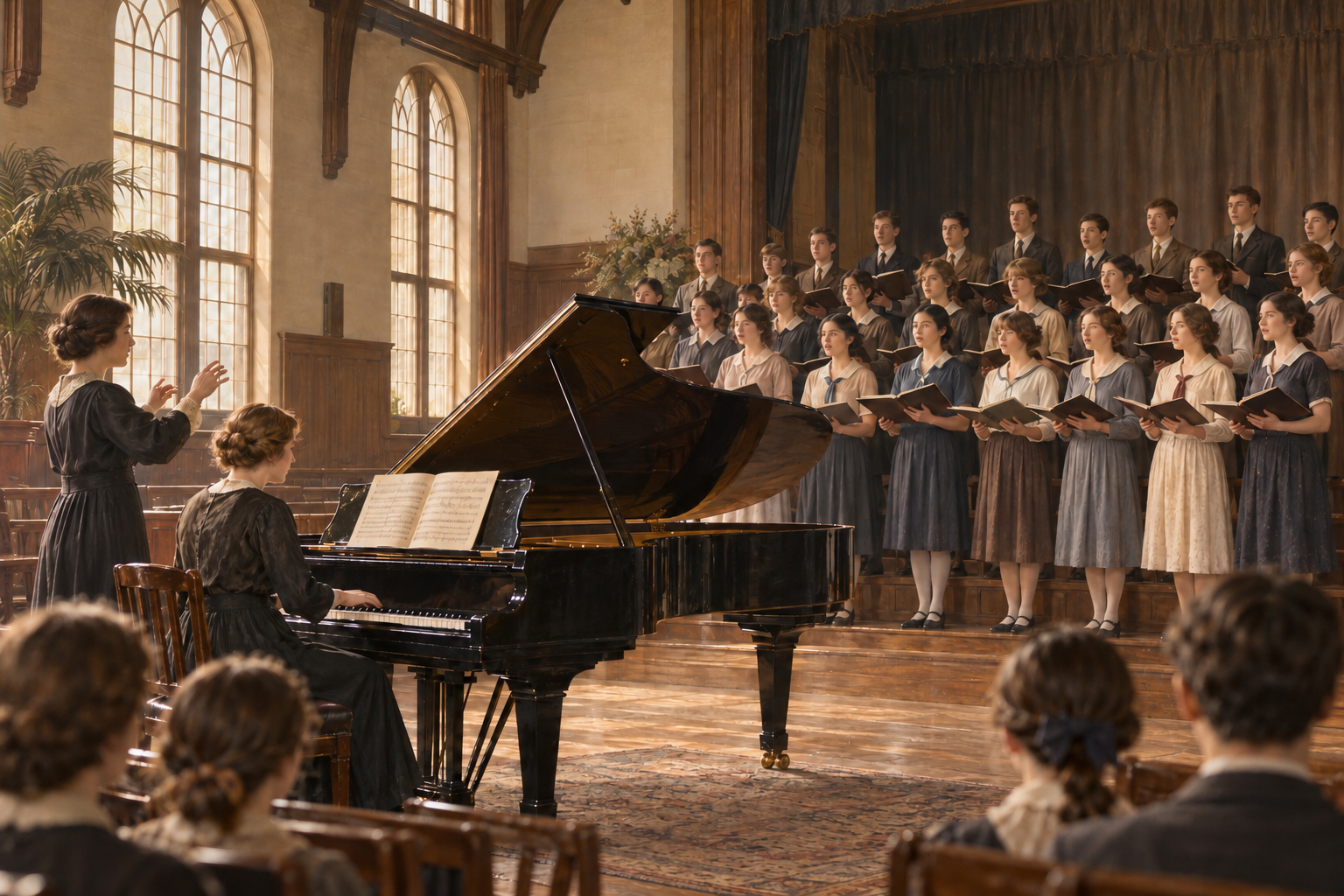
星期五上午,上海美国学校礼堂举行了一场精彩的音乐节目。安妮·沃尔特·费恩(Anne Walter Fearn)夫人正式向学校赠送一架礼堂用大钢琴。学生们起立,唱起格雷厄姆夫人(Mrs. Graham)创作的歌曲《献给你,费恩夫人》(“Here's to you, Mrs. Fearn”),费恩夫人亲切致谢。
学校音乐教员A. E. Sykes夫人演奏了以下曲目:斯卡拉蒂《田园曲》(Pastorale)、门德尔松《随想回旋曲》(Rondo Capriccioso)、肖邦《夜曲》(Nocturne)、舒曼《Novelette》。
康奈尔大学的C. H. Myers博士演唱了两首独唱曲。学校每星期五上午都在礼堂举行音乐节目;费恩夫人赠送、由Sykes夫人恰当地奉献给学校的这架大钢琴,极大充实了学校的音乐设备,也会鼓励学校为这些节目发掘本地人才。
来源:The Shanghai Sunday Times(泰晤士報〔星期刊〕)(1926年10月24日刊)。以下逐条提供原报页码、馆藏链接、原文与现代汉语阅读版本。
插图为依据当日报道创作的 AI 编辑插图。正文以当时已公开的消息为范围。
The Shanghai Sunday Times(泰晤士報〔星期刊〕) · 原文件第1页 · 原报馆藏
原文节录:自「Not since th」至「oming worse.」
据一则10月8日发出、昨天在上海收到的消息,自革命最惨烈的日子以来,陕西居民从未经历过如今这样的苦难。西安府(Sianfu)已被围困五个半月,当地农业完全停顿,居民遭到焚烧和拷打,以便为敌对军阀筹款。饥荒正逼近全省。局势没有好转迹象,反而很可能恶化。
Not since the terrible days of the revolution have the inhabitants of Shensi undergone the miseries to which they are now exposed, according to a message dated October 8 and received in Shanghai yesterday. For five and a half months the city of Sianfu has been besieged, agriculture in the district has been completely held up, and the people burnt and tortured to provide funds for the rival militarists. Famine stares the province in the face. Instead of the situation showing signs of growing better, there is every prospect of it becoming worse.
主线
1.原定16时开出的上行快车,改于8时50分自上海北站发车。
2.原定16时开出的下行快车,改于9时10分自南京发车。
3.原定23时自上海北站开出的上行夜快车停开。
4.原定23时自南京开出的下行夜快车停开。
吴淞支线
67次上行列车于19时抵达上海北站后,所有列车均停开。详情请向交通经理查询。
奉命发布:交通经理。上海,1926年10月24日。编号2 6205。
MAIN LINE
1.—The present 16.00 hrs. Up Express Train will leave Shanghai North at 8.50 hrs.
2.—The present 16.00 hrs. Down Express Train will leave Nanking at 9.10 hrs.
3.—The present Up Night Express Train leaving Shanghai North at 23.00 hrs. will be cancelled.
4.—The Present Down Night Express Train leaving Nanking at 23.00 hrs. will be cancelled.
WOOSUNG BRANCH LINE
After the arrival of No. 67 Up at Shanghai North at 19.00 hrs. all Trains will be cancelled. For further particulars, apply to the Traffic Manager.
By Order, THE TRAFFIC MANAGER. Shanghai, Oct. 24, 1926. 2 6205
单向通行
有人建议采用单向交通制度。本报一直主张这一制度,认为它很好。不过还应考虑一点:拥挤时段的交通实际上几乎已经是“单向”的。一股车流从办公室向西行驶,另一股则向北行驶;逆着这两股车流的交通几乎可以忽略。
我们建议在这些交通高峰时段,把快速车辆引到与慢速车辆不同的路线。例如,向西返回的汽车可改走爱德华七世大道(Avenue Edward VII)或北京路(Peking Road),慢速车辆则走南京路(Nanking Road);有轨电车使南京路上的车速不得不放慢。南北向交通问题更棘手,因为主要干道不够清楚,也不容易按快慢分流。不过,采取类似办法,无疑会比现行方法有所改善。
驾车人对西向路线方案有一个合理的反对理由,那就是爱德华七世大道的路况糟透了。目前许多驾车人宁可在路面良好的南京路上受堵,也不愿在爱德华七世大道和福煦大道(Avenue Foch)上颠簸;后者有些地方简直像刚犁过的田地。
One-Way Traffic
The suggested alternative is the one-way traffic system. This system has been consistently advocated in this paper for some time, and is a good one. There is, however, another point to be considered, and that is that practically all the traffic during the congestion is already “one way.” There is a stream returning from offices going westward and another stream going northward. The traffic going against these flows is practically negligible.
We suggest that during these rush hours fast moving traffic should be deflected up a different route from that taken by slower moving traffic. For instance, motor cars returning westwards could be sent up Avenue Edward VII or Peking Road, and slower traffic up Nanking Road, where traffic is forced to be slow on account of the railed trams. North and southbound traffic presents a more serious problem, as the main arteries are not so clearly defined and do not lend themselves so well to the distinction between fast and slow traffic. But some similar plan would undoubtedly be an improvement upon the present method.
There is one reasonable objection which could be raised by motorists to the plan for the westward routes, and that is the shocking state of Avenue Edward VII. At present very many motorists prefer to be held up in Nanking Road, which has a good surface, to being bumped about on Avenue Edward VII and Avenue Foch, the latter of which in places resembles a ploughed field.
昨晚较早时分,港内一艘船上发生火情,现场一度像是严重的船舶大火:停泊在浦东麦肯齐码头(Mackenzie's Wharf)、爱德华七世大道(Avenue Edward VII)对岸的东穆尔号(S.S. Eastmoor)船舱内冒出浓浓黑烟。
消防船立即出动赶往现场,虹口消防队也派出一队人员,带齐相应的消防器材。与此同时,港内各海军舰艇都迅速派出汽艇,将消防人员送上该船协助灭火。美国休伦号(U.S.S. Huron)、英国皇家海军温迪克蒂夫号(H.M.S. Vindictive)、法国旗舰朱尔·米什莱号(Jules Michelet)和意大利军舰塞巴斯蒂亚诺·卡博托号(Sebastiano Caboto)都派出人员,组成一支强大的消防队。
查明火从船中部一处煤舱舱口窜出。明火虽不算大,煤舱里的煤却烧得很危险。消防人员迅速向船内灌水,升起的浓烟在租界许多地方都能看到;火势受到控制后,烟仍持续从船舱内冒出相当一段时间。除进水和煤舱内部烧焦外,船只损失不大。
消防队一直在船上工作到9时30分以后。入夜后,附近海军舰艇集中探照灯照亮现场,灭火工作因此大为便利。整个行动期间,灯光都照向遇险船只,使消防队的工作容易得多。
戴森船长也在现场。他昨晚表示,海军各单位在火灾初起及之后的行动中提供了出色服务,值得高度称赞。
由拉什船长指挥的东穆尔号星期五抵达上海;它从哈瓦那载糖驶来,昨天正在卸货。起火前大部分货物已经卸下,货舱里剩余货物几乎没有受损。
A fire, which had all the appearances of a serious marine conflagration, broke out on a vessel in the harbour early last evening when dense volumes of black smoke were seen to be issuing from the interior of the S.S. Eastmoor, lying at Mackenzie's wharf at Pootung, on the opposite side of the river from Avenue Edward VII.
The fire floats were immediately commissioned and rushed to the spot and a section of the Hongkew Fire Brigade turned out with the necessary fire fighting appliances for such work. At the same time all the naval vessels in the harbour hurried their launches to the vessel with their fire squads and proceeded to lend the necessary assistance. Detachments from the U. S. S. Huron, H. M. S. Vindictive, the French flagship Jules Michelet and the Italian warship Sebastiano Caboto were turned out and formed a formidable fire brigade.
It was found that the fire had broken out in one of the bunker hatches amidships, and though there was not a great amount of fire present the coal in the bunker was burning to a dangerous degree. Water was quickly poured into the vessel and created a heavy cloud of smoke which was visible from many points in the Settlement and continued to issue from the interior for a considerable time after the fire was under control. Apart from that caused by water and the charred interior of the bunker there was not a great amount of damage done to the vessel.
The brigade were engaged on the vessel until well after 9.30 and after nightfall their work was greatly facilitated by the excellent light afforded by the concentration of the searchlights on the scene from the naval vessels in the vicinity. Throughout the whole of the operations the lights were directed upon the endangered ship and the fire brigade's operations were thereby rendered considerably easier.
Captain Dyson was in attendance and he stated last night that too much praise could not be given to the naval units for the splendid services rendered at the commencement of the fire and during the subsequent operations.
The Eastmoor, under the command of Captain Rush, was an arrival in Shanghai on Friday having cleared from Havana with a cargo of sugar which she was unloading yesterday. The bulk of the cargo was discharged before the outbreak of the fire and very little damage was done to the remaining in the holds.
上周五下午,约20名闲汉与一名华籍看守发生争执,一场浴室斗殴以看守丧命、一名无辜的华籍理发师受伤告终。
看起来,看守觉得星期六夜里该循着清洁之路向善;但星期六夜里要值班,他便决定星期五下午洗澡,既合适,也可免去在自己常去的浴室里照例争抢浴间。于是他前往Arthur Road 2745号一家颇受欢迎的浴室。他的行踪被一伙约20名闲汉留意到;看守此前曾得罪过他们。那伙人跟着他进入浴室。
究竟是什么引发了纠纷,至今没人肯好好说明;不过,几名目击者会作证说,看守正要照常洗浴时,那伙人便袭击了他。打斗中有人开枪,三发子弹落在这名准备洗澡的人身上。
一名在浴室附近做生意的好奇理发师也被一颗子弹擦到脸颊,所受不过是皮肉伤。
看守就没有这么幸运了。子弹击中要害,致其死亡。
那伙人逃走了;截至目前,警方尚未逮捕任何人。
A brawl in a bath house ended with the death of a Chinese watchman and the wounding of an innocent Chinese barber when about 20 loafers started a quarrel with the deceased on Friday afternoon.
It appears that the watchman felt the Saturday night urge toward godliness via the cleanliness route, but being on duty on Saturday night he decided that a bath on Friday afternoon would be suitable and, moreover, obviate the customary scramble for a cubicle at his favoured bathing establishment. He accordingly hied himself in the direction of a popular bath house at 2745 Arthur Road. His movements had been noticed by a gang of loafers, numbering about 20, whom the watchman had, on some previous occasion, offended. The gang followed him into the cleansing department.
What exactly started the trouble no one has yet been good enough to explain, but several eye-witnesses will testify that the watchman was about to put himself through the usual ablutionary exercises when he was attacked by the gang and during the fight shots were fired, three of which found a resting place in various parts of the would-be bather.
An over-inquisitive barber, who plied his trade in the vicinity of the bath house, also got in the way of one of the bullets, but received no worse injury than a flesh wound in the cheek.
The watchman was less fortunate and the bullets found vital spots, proving fatal.
The gang made their escape, and so far no arrests have been made by the police.
昨天上午,混合法院判处一名年轻华籍收款员六个月监禁,暂缓执行。他被裁定不当占有雇主的750 Tls.和$510。
庭上称,被告受雇于Shing Tai Electric Company已有8年;在此期间,他收取了若干款项,却没有记入账簿。他被控不当占有的款项,是过去6年逐渐累积的。
Musso先生代表投诉公司出庭,H. D. Rodger先生代表被告。
后者请求从轻发落,指出被告为投诉方工作超过8年,每月工资只有$25,还要靠这笔钱养家糊口。庭上承认,他结婚时曾获预支$1,200;但如果被告入狱,家中便无人供养。他建议暂缓执行刑罚,并在被告再次惹上麻烦时再令其服刑。
经过长时间商议,法院判处被告入狱6个月,但暂缓执行;条件是,如果他再次惹上麻烦,仍可令他服刑。
A suspended sentence of six months’ imprisonment was passed by the Mixed Court yesterday morning on a young Chinese collector who was found guilty of being in wrongful possession of Tls. 750 and $510 belonging to his employers.
It was stated that the defendant had been employed by the Shing Tai Electric Company for a period of eight years and during that time had received various amounts which he had failed to enter into his account book. The amount with which he was accused of being in wrongful possession had accumulated during the last six years.
Mr. Musso appeared for the complainant company, and the defendant was represented by Mr. H. D. Rodger.
A plea for leniency was put in by the latter who pointed out that the defendant had been employed for over eight years with the complainants. He received only $25 per month as wages and had to clothe and feed a family on that sum. It was admitted that he had been advanced the sum of $1,200 when he was married, but if the defendant was sent to gaol there would be no one to provide for the family. He suggested that a suspended sentence be passed on the defendant and that if he erred again he could be made to serve the sentence.
After a lengthy consultation the Court sentenced the defendant to six months in gaol, but suspended the sentence on the understanding that he could be made to serve it if he was again found in trouble.
有趣的是,几天前,霍夫市长以裁判官身份审案时,严厉斥责一名穿法兰绒衣服出庭的年轻人,命他回去“穿得体面些”。年轻人照办,后来穿着深色西装、浆硬领子,像一名城里的办事员。可以设想,如果他不服从会怎样,因为出庭见裁判官并没有规定服装。若要定下硬性规则,就会遇到不少困难,还得评估每一位出庭者的社会地位。富人若穿着园艺时穿的旧衣服,想必会被认为失礼;而他的园丁即使穿着更破旧的衣服,也会被视为穿着得体。
On this point it is curious to note that the Mayor of Hove a few days ago, sitting as a magistrate, sternly rebuked a young man who appeared in court before him in flannels, and sent him away to “dress himself properly.” The young man obeyed, and later appeared in a dark suit with a starched collar like a City clerk. It is permissible to speculate what would have happened if the order had been disobeyed, for there is not any prescribed garb for appearing before a magistrate. To lay down any hard and fast rule would result in considerable difficulties, and would necessitate an assessment of the social position of every person in court. It would presumably be thought disrespectful for a rich man to wear the old clothes in which he does his gardening, while his gardener would be properly dressed in even shabbier garments.
一笔财富有时能靠一出成功的戏迅速积累起来;但更令人惊讶的是,积累财富的人也可能很快失去它。因《Chu Chin Chow》而闻名的奥斯卡·阿什(Oscar Asche)已经破产;他本周在伦敦破产法庭告诉债权人,自己因在格洛斯特郡饲养和训练灵缇犬损失了45,000英镑。资产负债表显示,他负债44,311英镑,净资产为零。
据称,1916年《Chu Chin Chow》在陛下剧院上演,由一家私人公司出资。阿什先生在5年间每周领取80英镑薪金,并获得100,000英镑版税。1921年10月,他又在同一剧院推出音乐剧《Cairo》,并亲自创作剧本;薪金为每周150英镑,此外还从《Kismet》获得30,000英镑版税。
It is remarkable how quickly a fortune can sometimes be made over a successful play, but it is much more remarkable how those who make such fortunes can lose them. Mr. Oscar Asche, of “Chu Chin Chow” fame, who has become bankrupt, told his creditors in the London Bankruptcy Court this week that he lost £45,000 on breeding and training greyhounds in Gloucestershire. The statement of affairs showed liabilities of £44,311, and no net assets.
It was stated that in 1916 “Chu Chin Chow” was put on at His Majesty’s Theatre, the play being financed by a private company, and Mr. Asche received £80 a week salary and £100,000 in royalties in five years. Then in October, 1921, Mr. Asche produced at the same theatre a musical play of which was also the author, entitled “Cairo”. His salary amounted to £150 a week, and he also had £30,000 in royalties from “Kismet.”
帕里法官(Judge Parry)在一份周刊上开辟了狄更斯研究的新路径。他大胆质疑人们普遍接受的看法,即狄更斯是漫画式人物画家。在三十年的郡法院工作中——那里审理较小的民事诉讼——帕里法官常遇到一些男女,仿佛从狄更斯小说里走出来。
尽管服饰、外貌和举止不同,他们当中有些人的本质与威尔金斯·米考伯(Wilkins Micawber)、蒂姆·林克沃特(Tim Linkwater)、费迪南德·巴纳克(Ferdinand Barnacle)或文森特·克拉姆尔斯(Vincent Crummles)相同。
帕里的一位兰开夏朋友,在精神上就是约翰·布劳迪(John Browdie)的双胞胎;他用自己在格洛索普(Glossop)的乡音,说出同样诚实直率的话。帕里法官说:“罗莎·达特尔(Rosa Dartle)早已常来我们的郡法院,至今仍在追问。”
他回忆一名在诺福克法院作证的证人;此人应付律师和法官时沉着而厚颜,正如山姆·韦勒(Sam Weller)在巴兹弗兹(Sergeant Buzfuz)审问下的表现。他还讲起梅德斯通的一场审判:小说家之子亨利·狄更斯(Henry Dickens)问一名证人一个不合规的问题;这名证人此前一直和一名与案情无关的士兵谈话。律师说:“请告诉我们那名士兵说了什么。”霍金斯法官像猎犬一样扑向他:“狄更斯先生,狄更斯先生,您最应该知道,不能把士兵或任何其他人说的话告诉我们;那不是证据。”
这件事在“巴德尔诉皮克威克案”(Bardell vs. Pickwick)中已经判定了。帕里法官说,这是他所知唯一一次在法院把虚构案件当作法律权威引用的实例。他补充说,英国文学中没有另一段审判叙述,在准确与鲜活程度方面可与之相比。
A NEW vein of Dickens interpretation has been opened by Judge Parry in one of the weekly papers. He boldly challenges the commonly accepted opinion that Dickens was a caricaturist. In his thirty years' experience of "county courts," where minor civil actions are tried, Judge Parry has constantly been meeting men and women who might have stepped out of the pages of a Dickens novel. Though different in dress, appearance and manners, some of them are essentially the same as Wilkins Micawber, or Tim Linkwater, or Ferdinand Barnacle, or Vincent Crummles. A Lancashire friend of his was the spiritual twin of John Browdie and uttered similar honest sentiments in his own Glossop. Doric. "Rosa Dartle," says Judge Parry, "has long been a visitor to our county courts, and is still wanting to know." He recalls a witness in a Norfolk court who dealt with the advocates and the Judge with the same calm and serene impudence as Sam Weller showed under examination by Sergeant Buzfuz. He relates a good story of a trial at Maidstone, when Henry Dickens, a son of the novelist, put an irregular question to a witness who had been talking to an irrelevant soldier about the matter in hand. "Tell us, if you please," said the lawyer, "what the soldier said." Judge Hawkins pounced on him like a terrier. "Mr. Dickens, Mr. Dickens, you of all people ought to know that you must not tell us what the soldier or any other man said; it's not evidence." That was decided in Bardell vs. Pickwick." This is the only instance known to me, remarks Judge Parry, of a fictional case being quoted as a legal authority in a court of law. He adds that there is no other account of a trial in English literature that is within the same class for accuracy and vitality.
秋季新书大潮尚未全面涌来,不妨先看看眼下的总体情形。印刷书籍的总生产成本仍是战前的两三倍,不过与1919、1920年的高峰相比略有下降,这是因为书纸价格大幅下跌。印刷费用贵了三倍。雕版成本上升,使插图贵了一倍;三色印刷的插图还要更贵,因为每幅图都要刻三块版。由于纸板变便宜,装订费用正在下降。
看来,出版商还可以省下一项小开支:海涅曼近来几部最畅销的书——尤其《The Constant Nymph》《Cat's Cradle》和《The Forsyte Saga》——都使用完全朴素的封面。高尔斯华绥新作《The Silver Spoon》也已收到大量订购,出版时同样没有彩色护封。
高价书和低价书似乎都被热心读者抢购。例如,欧内斯特·本恩公司称,“六便士诗人”系列和每册售价12几尼的《Eumorphous Catalogue》,最终销售结果几乎同样令人满意。
不过,有些出版商为一册不到300页、字号很大、两小时就能读完的短篇小说集索价7先令6便士,已有人对此发出不满。有人认为,出版这类书的人可能是在杀掉会下“七先令六便士”金蛋的鹅;读者买下一本看似厚实、内容却少得可怜的书,会抱怨自己“上当了”。当他发现另一些出版商以3先令6便士出售全新的小说集时,这种不满会更强烈。
BEFORE the flood of autumn publications descends in full spate, one may quietly look around at the general situation. The total cost of production of a printed book is still two or three times what it was before the war, though there is a slight fall from the peak of 1919 and 1920, owing to a considerable decline in the price of book paper. Printing is three times as dear. The higher cost of engraving makes illustrations twice as dear, and it is enhanced in the case of those produced by the three-colour process, as each picture calls for the engraving of three blocks. Binding is coming down because millboard is cheaper. Apparently there is one minor expense that publishers might avoid, for some of Heinemann's biggest recent successes—notably "The Constant Nymph," "Cat's Cradle" and "The Forsyte Saga"—have been books with absolutely plain wrappers. There has been an enormous subscription for the latest Galsworthy novel, "The Silver Spoon," also issued without a coloured jacket design. Both high-priced and low-priced books seem to be readily snapped up by an eager public. The firm of Ernest Benn, for instance, reports that the final results of its "Six-penny Poets" and of its Eumorphous Catalogue at 12 guineas a volume have been almost equally satisfactory. But murmurs are being heard at the demand of 7s. 6d. made by some publishers for a collection of a few short stories, occupying less than 300 pages of very large print and easily readable in a couple of hours. It is suggested that those who issue such books are in danger of killing the goose that lays the seven-and-sixpences, for the reader who has purchased a bulky-looking book that amounts to so little complains of being "had." His sense of grievance becomes the more acute when he discovers that certain other publishers are issuing volumes of brand-new fiction at 3s. 6d.
上海市立管弦乐队举行第三次星期日交响音乐会,由马里奥·帕西(Mario Paci)大师指挥,今晚9时15分在市政厅举行。小提琴独奏为A. Foa,中提琴独奏为J. Podushka。
一、《PETIT SUITE》,德彪西。 (a) En Bateau;(b) Cortège;(c) Menuet;(d) Ballet。 《小组曲》原为钢琴曲,其管弦乐版本现已出版。最近在巴黎首次演出,颇获成功。作曲家为每幅声音图景所定的标题,足以说明其性质。
德彪西以印象主义观念震动乐坛以来,人们对他绚丽而难以捉摸的音乐写了许多评论。有人否定它,有人则把它奉为新艺术;它确实是一种新艺术。德彪西式表达自成一格:朦胧、神秘、萦绕心头,并带有几分平凡气息。其大胆的和声手法、异样奇特的特质与辉煌的交响构思,交织着一种前所未见、几乎消散却令人陶醉的力量。音乐化的《牧神午后》有一种无可比拟的魅力,也没有哪种语言能如“低语的小提琴与叮当作响的竖琴、田园长笛与双簧管、森林号角”那样精妙。歌曲中完全不见以往惯用的公式;它们迷人地讲述“纤弱的手指轻触灵魂”“古树的泪水”“令人哀怜、遭冰雹击打的草坪”,以及“无聊的黑色花瓣一滴滴落在头上所发出的疯狂声响”;它们赞美黄昏,并使太阳成为“幻象的杀手、苦难心灵的祝福之粮”。
有人写道,德彪西的作品是现代音乐山脉中最蓝、最美、最闪耀的高峰;人类要穷尽它们的美,恐怕还要很久。
二、《莫斯科回忆》,小提琴与管弦乐伴奏,维尼亚夫斯基。 独奏:A. Foa(小提琴)。 亨利·维尼亚夫斯基(Henry Wieniawsky,1835—1880)是著名的波兰小提琴家,一生大半时间以演奏家的身份巡演欧洲。他创作的作品都力求为演奏者提供最大的技巧发挥空间,同时也运用了本国的节奏和富有特色的旋律。这部作品形式自由,融入许多波兰和俄罗斯特色,也展示小提琴不同的演奏技巧。
三、《意大利印象组曲》中的两个乐章,夏庞蒂埃。 (a)《小夜曲》;(b)《骡子》。 中提琴独奏:J. Podushka。 夏庞蒂埃在罗马美第奇别墅期间创作这部作品(他是否是在巴黎获得罗马大奖后去那里),并于1892年在科隆音乐会上首次演出。以下摘录自法国评论家阿尔弗雷德·恩斯特(Alfred Ernst)生前所写的说明节目:
(a)《小夜曲》。已近午夜。附近的年轻人走出酒馆(osterie),在恋人的窗下唱起悠长而热烈的歌,有时忧伤,常带粗犷的声调(由大提琴全体合奏作独奏声部)。这些相思的乐句由曼陀林和吉他应答。随后,年轻人的歌声(再现开头主题,此时由J. Podushka中提琴独奏)再次响起,渐渐消逝。
(b)《骑骡而行》。傍晚时分,沿着蜿蜒穿过萨宾山脉的道路,骡子随着铃声明亮的节奏匀速小跑。大提琴的旋律是赶骡人放声唱出的“歌”(canzone);随后长笛奏出的甜美三度音,是那群深眸姑娘低声唱出的情歌,她们坐着——或者说跪着——在驶向村庄的大车里。
四、《吉卜赛人》(音乐会狂想曲),小提琴与管弦乐伴奏,拉威尔。 独奏:A. Foa。 莫里斯·拉威尔(Maurice Ravel)1875年出生,曾在巴黎音乐学院学习,是当代最重要的法国作曲家之一,各种体裁的作品都颇为成功。他的风格完全属于自己,同时也反映出其老师Faurie、德彪西以及里姆斯基-科萨科夫、鲍罗丁等现代俄罗斯作曲家的影响。
拉威尔偏爱规模较小的作品,并以丰富细节、复杂和声与音色加以充实。《Tzigane》是一首音乐会狂想曲,原有钢琴或管弦乐伴奏版本。作品献给Jelly d’Aranyi女士。拉威尔或许是最充分发展管弦乐技巧的现代作曲家;在这部独奏乐器作品中,他仍不断拓展乐器的技巧资源,几乎创造出新的音响。《Tzigane》以匈牙利主题为基础,以小提琴独奏的一段长前奏开场,形式近似“华彩”;拉威尔在其中表达主要构思,并在全曲中继续展开。
五、《鹅妈妈》管弦乐组曲,拉威尔。 (a)《纺车舞前奏曲》;(b)《睡美人的帕凡舞曲》;(c)《小拇指》;(d)《丑姑娘,宝塔女皇》;(e)《美女与野兽的对话》;(f)《仙境花园》。 这套精巧而富于幻想的芭蕾《鹅妈妈》取材于“从前……”的《鹅妈妈故事集》,作品表现了其中的奇思妙想。
I.《纺车舞前奏曲》。这段《纺车舞前奏曲》由拉威尔后来创作,并在《鹅妈妈》先前写成的五幅场景组曲改编为芭蕾时加入其中。再没有别的音乐比这段前奏更适合引领观众进入这些音乐童话;《纺车舞》则是对节奏的绝妙音乐表达。
II.《睡美人的帕凡舞曲》。帕凡舞曲的主题——一种庄严、源自意大利的舞蹈——交给长笛演奏,弱音圆号与中提琴奏出对位旋律。随后单簧管接过主题,英国管奏出对题,竖琴和拨奏弦乐伴奏。长笛再次奏起旋律,最后由小提琴完成。罗莎·纽马奇(Rosa Newmarch)夫人写道,这一乐章“留下了苍白而遥远的印象,像隔着睡梦的帷幕听见一段乐曲”。
III.《小拇指》。这一乐章前引用了故事中的话:他以为撒下的面包屑能让自己轻易认路;没想到鸟儿把面包屑全吃光了,他一粒也找不到。双簧管独奏唱出小小流浪者的歌,上方有持续的八分音符音型,仿佛描绘林中漫长而曲折的小路。随后出现写实的鸟鸣音乐,有巴松管独奏和短笛乐段。接着中提琴和大提琴奏出数小节,据说描绘了“小拇指的恐惧与惊慌”。
IV.《丑姑娘,宝塔女皇》。她脱下衣服,走进浴池。宝塔里的男男女女立即开始歌唱,并用各种乐器演奏:有些人的乐器是用果壳制成的琉特琴;另一些人的中提琴则用杏仁壳制成,因为乐器必须与他们自己的身材相称。(达尔努瓦夫人:《绿蛇》。)
这段引文说明了该乐章采用的奇特管弦乐效果;全曲为进行曲节奏。巴松管、圆号和长笛在竖琴与弦乐伴奏上彼此应答。短笛独奏引出一个奇特主题,随后传给长笛,最后交给双簧管。所有打击乐器奏出东方色彩,描绘奇幻的行列。乐章第一部分以短暂停顿结束,随后引入一个新动机,由多种独奏乐器轮番处理。第一部分主题再次出现,音乐以四个重音和弦结束。
V.《美女与野兽的对话》。这一乐章采用圆舞曲节奏。美女温和的话语交给单簧管独奏,由弦乐、竖琴和长笛伴奏。随后野兽开口,其声调由倍低音巴松管表现;它以一声长叹作结,期间鼓声滚奏、钹声振动,所有弦乐都神秘地颤动。接下来的对话由倍低音巴松管演奏,美女则由长笛和双簧管代表。野兽继续求爱,音乐逐渐活跃起来……直到一声钹响表示魔法已经解除。“美女最后以小提琴独奏开口,已经变成人形的野兽则以大提琴独奏回应,于是故事以温柔动人的方式收场。”
VI.《仙境花园》。这是最后的辉煌场面:睡美人醒来。王子进入,发现公主仍在沉睡。乐曲奏到标有空灵钢片琴音色的一段时,她醒来,太阳也在同一刻升起。所有童话人物重新出现,围绕这对重逢的恋人聚在一起;伴随着胜利的号角声,一位仙女现身,为幸福的一对祝福。(罗莎·纽马奇夫人。)
拉威尔最近访问伦敦时,曾亲自指挥这套组曲在女王音乐厅演出。
The third Sunday symphony concert, given by the Shanghai Municipal Orchestra, under the conductorship of Maestro Mario Paci, will take place at the Town Hall this evening at 9.15. Mr. A. Foa (violin) and Mr. J. Podushka (viola) will be the soloists.
1. PETIT SUITE. DEBUSSY. (a) En Bateau. (b) Cortège, (c) Menuet. (d) Ballet. The “Petite” Suite was originally written for pianoforte and its orchestra version is now published. A recent first performance in Paris met with much success. The titles which the composer has given to each tone picture are sufficiently indicative of their nature.
Since Debussy first started the musical world with his impressionistic ideas, much has been written upon his voluptuous and elusive music. Some have denied it, others have hailed it as a new art. As indeed it must be. For Debussyian expression is individual. It is vague, mysterious, haunting, with a taste for the banal. Its harmonic boldness of device, its unusual and strange attributes, its brilliant symphonic inventions are mingled with an almost evaporated perfume of intoxicating power never before encountered. There is nothing quite like the charm of the musically translated “L’Apres Midi d’un Faune,” no language quite so exquisite as the “murmuring violins and tinkling harps, the pastoral flutes and oboes, the forest horns.” In the songs, one meets a total absence of all the formulas hitherto employed. They tell in a bewitching manner of “frail fingers just touching souls,” of “the tears of old trees,” of “lamentable hailed-on lawns, of the “mad noise of the black petals of boredom falling drop by drop on the head,” they glorify the twilight and cause the sun, “slayer of illusions, the blessed bread of miserable hearts.”
Someone has written that Debussy’s works are of the bluest, the loveliest, the most shining peaks in the mountain range of modern music, it will be long, indeed, before humankind has exhausted their beauty.
2. SOUVENIR DE MOSCOW, FOR VIOLIN WITH ORCHESTRA ACCOMPANIMENT. WIENIAWSKY. Soloist: Mr. A. Foa (violin). Henry Wieniawsky (1835-1880) was a famous Polish violinist, who spent much of his life touring throughout Europe as a virtuoso. While all his works were written with the thought of giving the greatest possible technical opportunity to the performer, Wieniawsky has also used the rhythms and characteristic melodies of his native land. This composition is very free in form; it incorporates many Polish and Russian characteristics, but it also illustrates the different technical possibilities of the violin.
3. TWO PARTS FROM THE SUITE “IMPRESSION D’ITALIE.” CHARPENTIER. (a) Serenade. (b) A mule. (Viola solo: Mr. J. Podushka.) This composition was written by Charpentier while at the Villa Medici, Rome (whether he had gone after taking the Prix de Rome in Paris), and was first performed at a Cologne concert in 1892. The following extracts are taken from the explanatory programme written by Alfred Ernst, the late French critic:—
(a) Serenade. It is nearly mid-night. Coming out from the “osterie” (inn), the young fellows of the neighbourhood sing long, burning songs, at times sad, often with a savage accent (voiced as a solo by the full choir of “cellos), under their betrothed’s windows. These love-sick phrases are answered by mandolins and guitars. Then the song of the young men (the commencing theme again but now played by the viola solo: Mr. J. Podushka), sounds once more, and dies away, little by little.
(b) On muleback. Towards evening, along the road that winds through the Sabine Mountains, the mules trot at an even gait, to the bright rhythm of their bells. That melody of the cello is the “canzone,” sung with full voice by the mulattiere; and those sweet thirds of the flute that follow are the loving song murmured by the fair girls with deep eyes, seated, or rather kneeling, in the big carts that go up towards the village.
4. TZIGANE (RHAPSODIE DE CONCERT) FOR VIOLIN WITH ORCHESTRA ACCOMPANIMENT.—RAVEL. Soloist: Mr. A. Foa. Maurice Ravel was born in 1875, and studied at the Paris Conservatoire. He is one of the most prominent of modern French composers, and his compositions—in all forms—have met with much success. His style, while entirely his own, reflects the influence of his own master, Faurie, of Debussy, and also of modern Russian composers, such as Rimsky-Korsakoff, Borodin, etc.
Ravel’s art inclines to the smaller schemes of composition which he enriches with a wealth of detail and elaborate harmony and tonal colours. His “Tzigane” is a kind of concert Rhapsody both with originally piano or orchestra accompaniment. The composition is dedicated to Miss Jelly d’Aranyi. Ravel is perhaps the modern composer who has the most amplified and developed the technique of the orchestra, and now in this composition for a solo-instrument he still exacts more and more from the technical resources of the instrument, nearly creating new sonorities. The “Tzigane” is built upon a Hungarian theme and opens with a long prelude in the style of a “cadenza” for the violin alone, where Ravel expresses his principal intentions which are further developed in the piece.
5. SUITE FOR ORCHESTRA “MA MERE L’OYE.”—RAVEL. (a) Prelude et Danse du Rouet. (b) Pavane de la Belle au Bois dormant. (c) Petit Poucet. (d) Laideronnette, Imperatrice des Pagodes. (e) Les entretiens de la Belle et de la Bete. (f) Le Jardin Feerique. The delicate and fanciful ballet, “Ma Mere l’Oye,” from which this suite is taken, was composed in illustration of the “whimsicalities” of the “Mother Goose” collection of “once upon a time . . .” fairy-tales.
I.—Prelude et Danse du Rouet.—This “Prelude et Danse du Rouet” was later composed by Ravel and added to the previously written suite in five tableaux, in its performance as a ballet. No other music better than this prelude could have been written to prepare the audience to these musical fairy tales—and the (Danse du Rouet) is a wonderful musical expression of rhythm.
II.—The Pavane of Sleeping Beauty. The theme of the Pavane—a solemn dance of Italian origin—is given to the flute, with a countermelody for muted horn and violas. It is taken up, in turn, by the clarinet, while the cor anglais intones the counter-subject, with accompaniment from harp and pizzicato strings. The flute again takes up the melody, and is completed by violins. Of this movement, Mrs. Rosa Newmarch writes, “The Pavane leaves an impression of something wan and remote, a strain of music heard through the veil of sleep.”
III.—Tom Thumb. The following quotation from the tale precedes this movement: He thought he would easily find his way by means of his bread, which he scattered as he passed along; but to his surprise he could not find a single crumb, for the birds had come and eaten it up. A solo oboe is heard singing the little wanderer’s song, above a continuous quaver figure which seems to suggest the long winding path through the woods. Some realistic bird-music follows, with a solo from the bassoon and a passage for piccolo. Then come a few bars from violas and cellos depicting, so it has been suggested, “Tom Thumb’s fear and dismay.”
IV.—Little Ugly, Empress of the Pagodas. She undressed and entered the bath. Immediately the Pagodas, male and female, started singing and playing on various instruments; some had theorbos, or lutes, made of nutshells; others, viols made of almond husks; for they had to make their instruments in proportion to their own size. (Mme. d’Aulnoy: “The Green Serpent.”)
This quotation explains the quaint orchestral effects employed in this movement which is in march time. Bassoons, horns and flutes answer one another over an accompaniment from harp and strings. A quaint theme is introduced by solo piccolo, afterwards passed on to flute, and finally to oboe. The fantastic cortege proceeds with Oriental effects from all the instruments of the percussion. The first part of the movement ends with a brief pause. A new motif is then introduced and treated by a variety of solo instruments. The first part of the movement is again brought in, and the music ends with four accentuated chords.
V.—The Conversations between Beauty and the Beast. The movement is in waltz rhythm. The amiable speeches of Beauty are entrusted to a solo clarinet, with accompaniment from strings, harp and flute. Presently the Beast speaks; his accents are interpreted by a double-bassoon. He ends with a prolonged sigh, during which there is a roll on the drum and the cymbals vibrate, while all the strings tremble mysteriously. The ensuing dialogue is given to double-bassoon, while Beauty is represented by flute and oboe. The Beast urges his suit, and the music becomes more animated . . . until a clash of the cymbals indicates that the spell is broken. “Beauty finally speaks in a violin solo, and the Beast, who is now humanized, answers in a new voice from a solo ’cello, and so the tale comes to a gentle and tender conclusion.”
VI.—The Fairy Garden. This is the final apotheosis; the awakening of the Sleeping Beauty. Prince Charming enters, and finds the Princess asleep. At a passage marked by the ethereal sound of the celesta, she awakens, the sun rising at the same moment. All the fairy-tale characters reappear and group themselves round the united lovers, while, to the sound of triumphant fanfares, a fairy arises and blesses the happy couple. (Mrs. Rosa Newmarch).
This suite was recently performed at the Queen’s Hall in London upon the occasion of the composer’s visit there, and under his baton.
星期五上午,上海美国学校礼堂举行了一场精彩的音乐节目。安妮·沃尔特·费恩(Anne Walter Fearn)夫人正式向学校赠送一架礼堂用大钢琴。学生们起立,唱起格雷厄姆夫人(Mrs. Graham)创作的歌曲《献给你,费恩夫人》(“Here's to you, Mrs. Fearn”),费恩夫人亲切致谢。
学校音乐教员A. E. Sykes夫人演奏了以下曲目:斯卡拉蒂《田园曲》(Pastorale)、门德尔松《随想回旋曲》(Rondo Capriccioso)、肖邦《夜曲》(Nocturne)、舒曼《Novelette》。
康奈尔大学的C. H. Myers博士演唱了两首独唱曲。学校每星期五上午都在礼堂举行音乐节目;费恩夫人赠送、由Sykes夫人恰当地奉献给学校的这架大钢琴,极大充实了学校的音乐设备,也会鼓励学校为这些节目发掘本地人才。
A delightful musical programme was given on Friday morning at the Shanghai American School Assembly Hall. Mrs. Anne Walter Fearn made formal presentation to the school of a grand piano for the Assembly Hall. The students stood and sang “Here's to you, Mrs. Fearn,” a song composed by Mrs. Graham, to which Mrs. Fearn very graciously responded. Mrs. A. E. Sykes, a member of the music staff at the school, delighted the audience with the following programme:— Pastorale, Scarlatti. Rondo Capriccioso, Mendelssohn. Nocturne, Chopin. Novelette, Schumann. Dr. C. H. Myers, of Cornell University, sang two solos. A musical programme is given every Friday morning in the Assembly Hall and the gift of the grand piano by Mrs. Fearn, which was so appropriately dedicated by Mrs. Sykes, is a great addition to the school's music equipment and will be an added incentive to local talent which the school seeks for these programmes.