
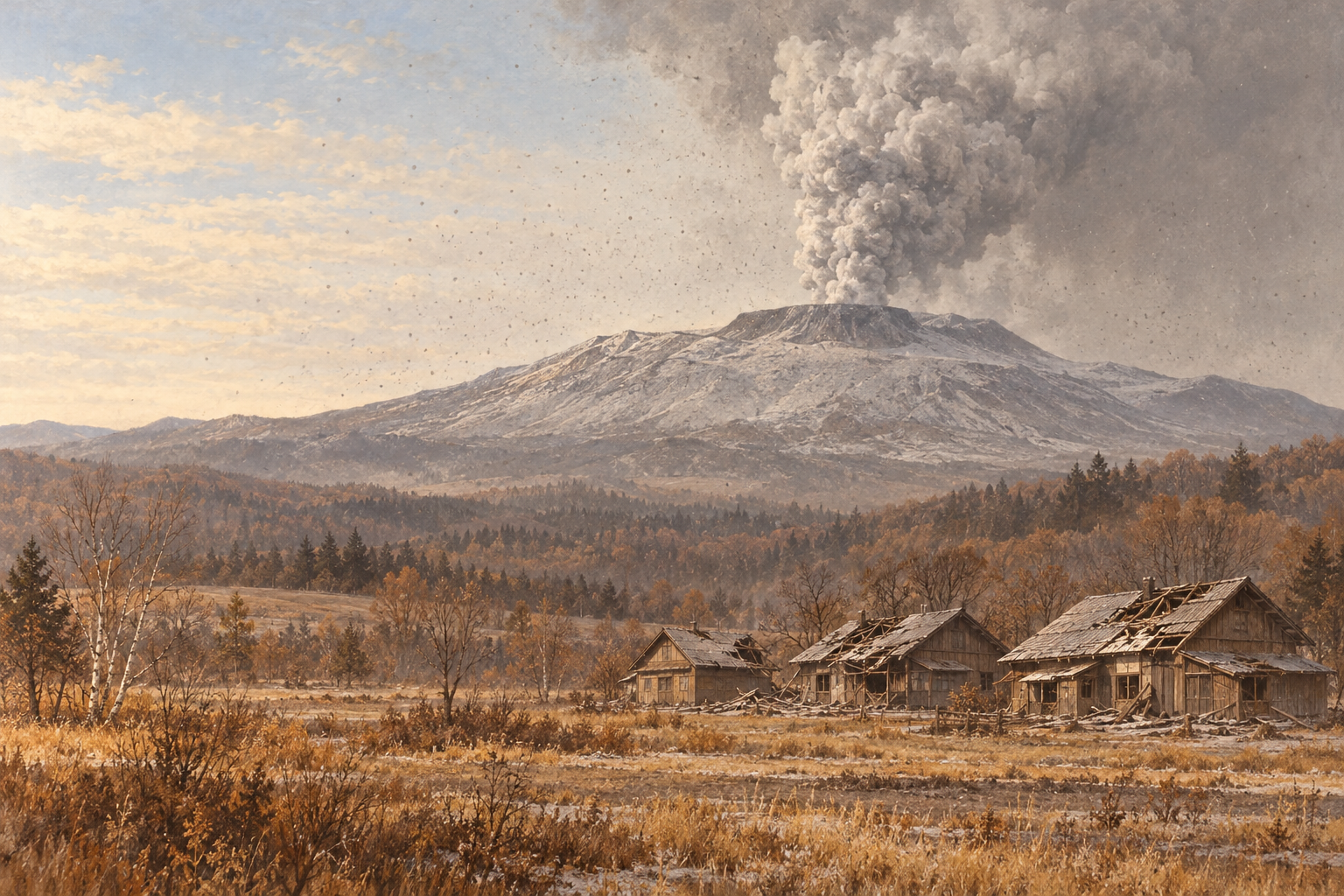
北海道樽前山喷发,周围六英里覆灰
东京,10月30日。北海道札幌传来的消息称,樽前山于10月30日早晨六时喷发,山周围六英里的地区被火山灰覆盖,山脚下三所房屋被毁。除此之外没有造成损害。——Toho。
01 / 国际
东京,10月30日。北海道札幌传来的消息称,樽前山于10月30日早晨六时喷发,山周围六英里的地区被火山灰覆盖,山脚下三所房屋被毁。除此之外没有造成损害。——Toho。
02 / 战讯

南方撤退后,三路联军据报向武汉三镇集结;孙部据报占领Chichow,粤军撤退,汉口被称为最后防线。
昨日传到上海的消息称,粤军已开始进攻南昌,并在江西发起强力反攻,意在击退孙传芳的部队;此时三路联军正从三个方向向武汉三镇集结。和平谈判看来已经失败,孙传芳在江西的处境受到威胁。
九江,10月25日。南昌与九江之间的交通再次中断,因为南昌西南的南军遭到全面进攻,战事重新开始。九江再次实行戒严。流传的谣言使居民陷入恐慌。南军从飞机上投下传单,警告南昌居民称,将在三日内轰炸该城。停战谈判已经中断,预计此番将有一场决战。消息称,南军已得到大批增援。——路透社。
孙传芳的和平声明。九江,10月29日。孙传芳元帅在轮船“江信”号上接受Toho News Agency记者采访时说:“我本人打算停止敌对行动;但如果南方部队拖延达成和平,他们将处于更困难的境地,唐生智将军的部队也将被迫退往湖南。”孙传芳随后语带得意地表示,南方部队已无力守住武汉地区。——Toho。
孙传芳一支此前在黄州停下的部队,如今看来已恢复向汉口推进。孙传芳司令部昨日的官方报告称,孙部联军第五军总司令陈调元将军已占领Chichow。陈将军从武穴发出的较晚通报证实了孙传芳此前收到的报告,并补充说其部队正向黄州推进;黄州约在汉口以东30英里。按陈将军说法,国民党部队的撤退似乎表明,北伐军正准备把汉口作为最后据点。
吴元帅部队行动活跃。吴元帅的副手Tien Jui-ching将军正向汉口推进,并利用相当数量南方士兵被调往别处应对孙部的时机。四川将领Yang Sen已进至Wuhsingkuan附近,靠近长江支流Sian River,约在汉口以西50英里。官方称,吴元帅部队和四川将领正同时推进,目标都是汉口。
据报,孙传芳部队正朝Yochow和长沙方向推进:一路沿Sui River前进,意在切断粤军向Yochow撤退;另一路沿Pinghsian—Liling Railway推进长沙。以上为孙部官方报告所称。
暂不急于迁都。汉口,10月29日。曾有传闻说广东政府将迁往武昌。现在有消息称,广东政府决定推迟这项计划,待长江地区军事局势解决后再说。——Toho。
03 / 城市治安
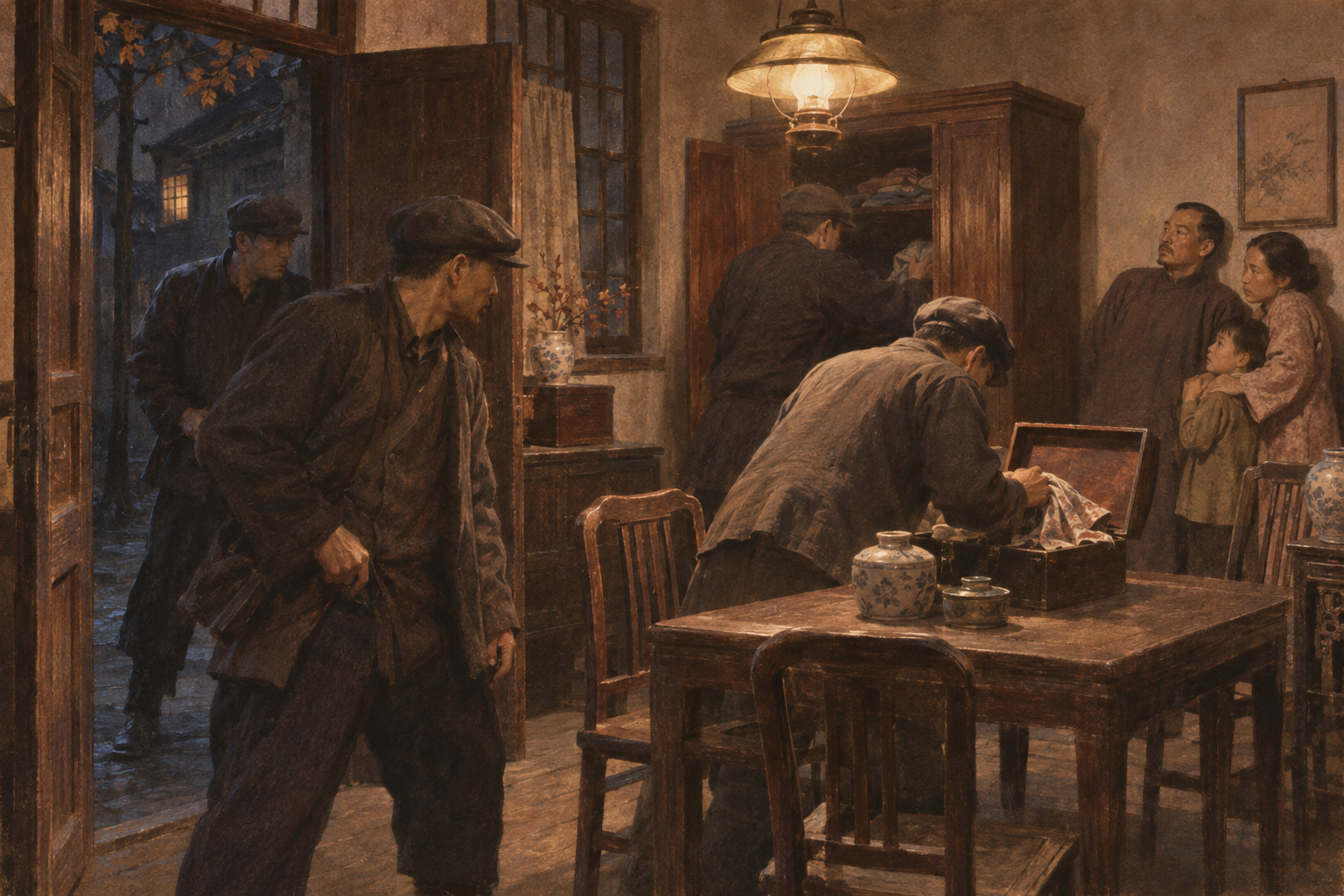
周五夜里,四名持械男子闯入武昌路611½号的一所住宅,控制住屋内住户后,抢走价值$178的财物。
04 / 地方治安
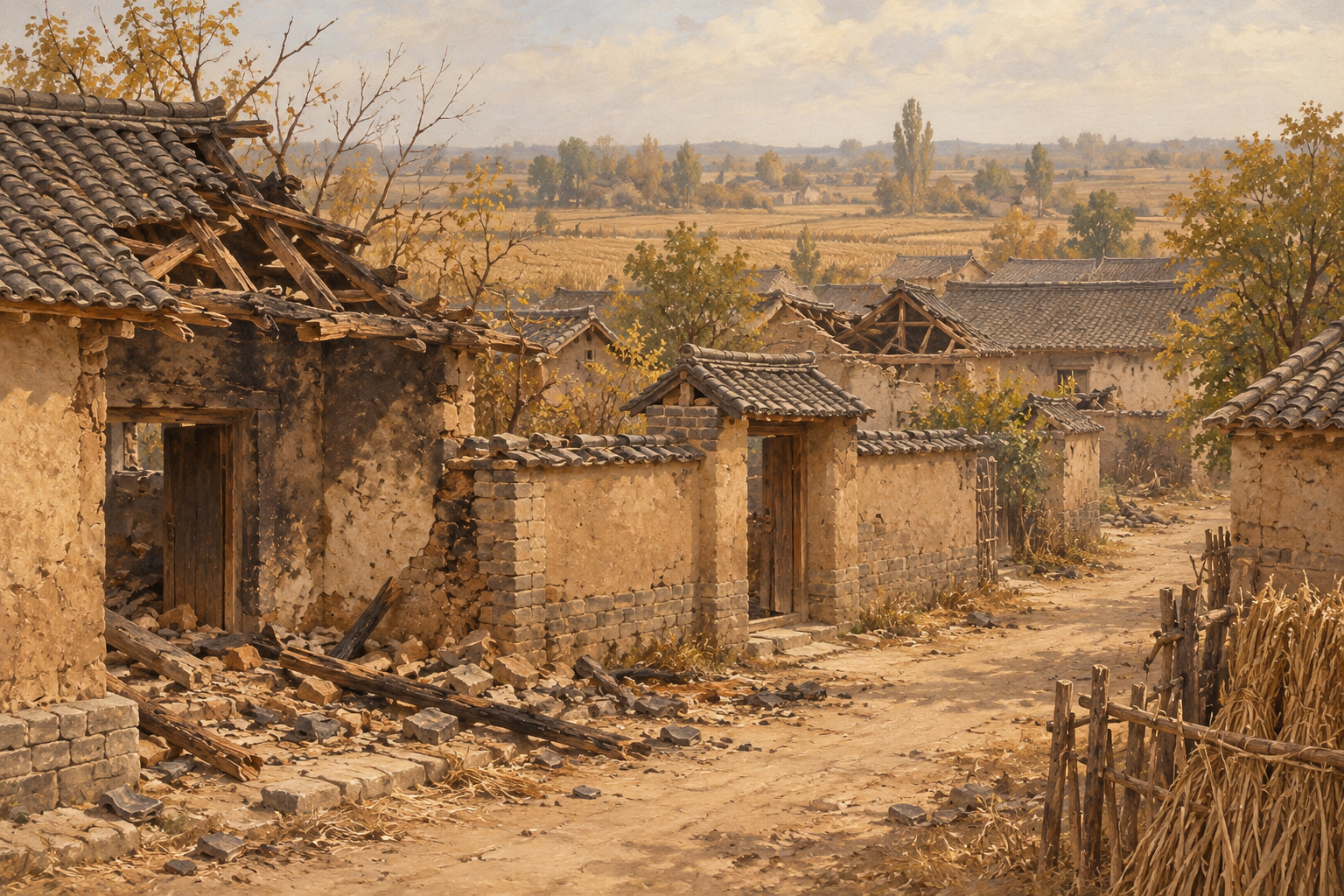
十月二十五日的报纸刊载一封开封来信,大意说,河南西华县的青年村在九月中旬被土匪攻破,并遭焚掠。
05 / 广告

“President Grant”将于10月31日抵达,带来31辆“迄今造出的最出色的别克汽车”。
你会成为31位幸运者之一,拥有这31辆于10月31日抵达的别克汽车中的一辆吗?
广告称,汇兑不会导致价格上涨。
“我们的汇兑问题已经解决!”
H. S. HONIGSBERG & CO., INC.,上海Bubbling Well Road 40号;北京、南京、汉口、芝罘、天津。
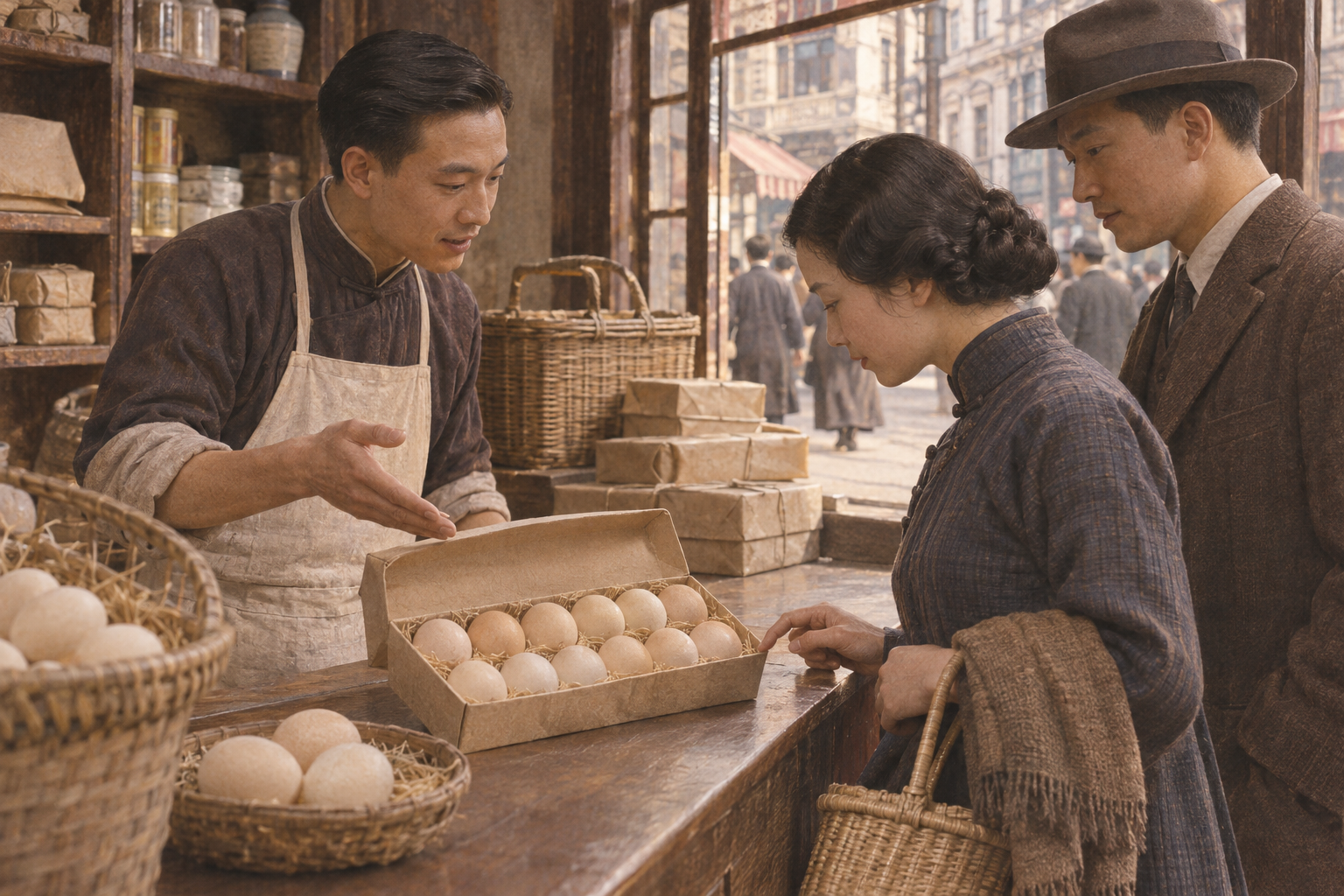
Eggsell公司表示,公司不得不提高“Eggsells”(Excel Eggs)的零售价。
公司称,过去五年一直维持同样的“超等品质”和同一价格;这期间,鸡蛋、人工、包装材料、配送及其他开支都上涨了50%以上。
公司称,过去几个月每天供货都在实际亏本。为维持顾客的好感,公司现在不得不自1926年11月1日起调整价格。
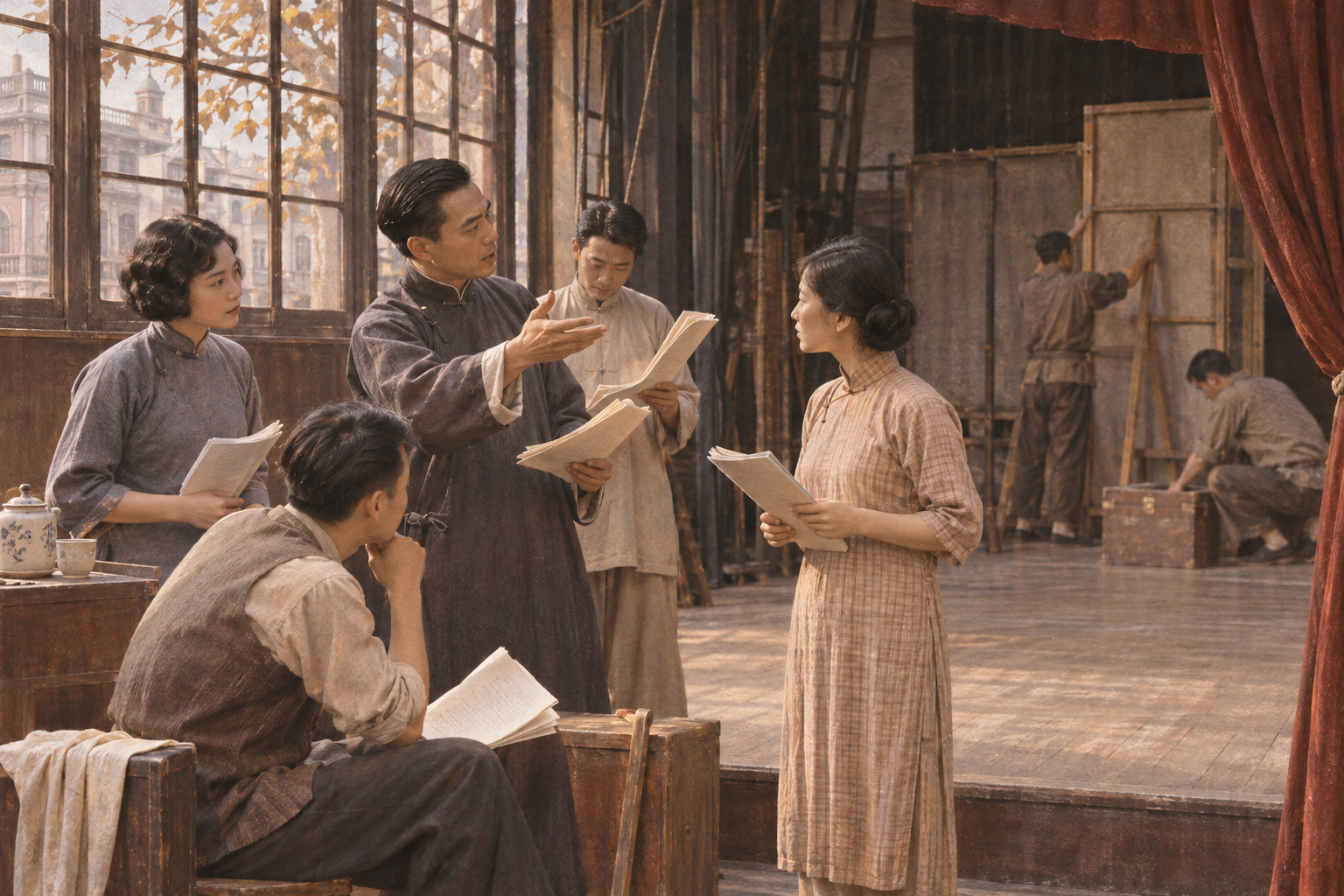
本台现因时局已经平靖,定于十月朔日开锣,日夜开演;近日正在排练新戏。

节日赠书新书(英文)
Lu-hsun著《阿Q正传》,George Kin Leung译,售价$1.20。
这是一幅中国乡村人物写照,出自中国新文学运动重要作家Lu-hsun之笔。“阿Q”是新文学首个值得注意的创作,描绘一名旧式学者著作不会提及的普通社会成员。译文忠实,呈现出鲜明、生动和感人的内容;这部趣味盎然、充满活力的乡村写照,写到让人喜爱的乡民及其独特言谈。
《中国的国际关系及其他论文》。
H. F. MacNair博士著,分学校版和贸易版,预计十一月中旬出版。
这是《中国的新民族主义及其他论文》的配套书;该书去年受到好评。MacNair博士在新论文集中保持了与前作相同的平衡;他对中国人和西方人的批评没有失之不公,不粉饰事实,并试图阐明所讨论的问题。
商务印书馆有限公司出版。
06 / 文娱文化

我很有把握地回答:不会。现代舞蹈缺少使它长久流行的因素。
现代舞由什么构成?技巧?没有。美感?没有。技艺?很少。现代舞以浮沫为基础,仅此而已。这是世界动荡激起的浮沫,而世界才刚刚开始从这场动荡中恢复。由这样脆弱的主题激发出来的舞蹈,能持久吗?
过去八年里,全世界尤其是年轻人,一直在寻找某种东西,好让堆积在心头的悲苦记忆麻木下去。人们总得找到一种办法,减轻整个世界的心痛。旧式舞蹈令人想起欢乐的日子,也许还会想起曾经相伴、如今再也回不来的舞伴。旧舞步纵然优美,却仍不足以令人开怀。
于是,新舞风诞生了。懒散、潦草、漫不经心的“爵士舞”,满是旋转和随兴动作,席卷了喝彩的人群;偶尔穿插一支华尔兹,让不易改变的年长者也能接受。新舞步一度够用。舞者似乎借此忘却一切,因为跳“爵士舞”时,仿佛容不下其他情绪。必要舞步很容易学会;即使一对舞伴整场舞会都一起跳舞,也不再被视为出格。就这样,舞步和动作逐渐一致,完全同步;我必须承认,这似乎是现代舞蹈唯一值得称许的地方。
维多利亚式华尔兹、波尔卡、乡村舞、兰瑟舞以及其他舞步,也许会时兴时衰,却永远不会消亡。华尔兹至今从未失去吸引力。即使在最剧烈的变革时期,舞会节目中仍至少保留它的位置。最近,人们认真尝试让兰瑟舞重新流行;我希望这一尝试成功,也希望其他旧式舞步随后恢复。
这样的变化意味着良好礼仪的回归。从前,舞会是善于交际的人们友好相聚的场合;大家尽情欢乐,同时在娱乐中遵守一定的礼节和礼貌。没有哪个时期比那时更和乐。如今舞厅里常年由固定舞伴跳爵士舞,礼貌几乎已被逐出舞场。
现代舞蹈不利于长久流行的另一个原因,是它不像旧式舞蹈那样增加舞者的多才多艺,也不能促进思想交流和谈话。报上已有许多抱怨,指出这些方面如今明显缺失。有人或许会说,跳舞时不该交谈;但并没有法律禁止,而且过去留给愉快谈话的间歇如今大大缩短了——也许这样倒也令人宽慰。整晚都和一个男人跳舞、谈话(除非他正是她心仪的那个人),对任何聪明的姑娘来说,想必都是最乏味的事。人们对旧式舞步所带来的变化和兴味,呼声正变得更响亮、更急切。
我不仅确信今日的舞蹈不会长久流行,也相信一旦它们被弃用,就不会再恢复,除非又发生一场世界动荡,使人们重新需要它们。舞蹈的准则是“让尽可能多的人感到幸福和快乐”。旧式舞步带来愉快而优美的景象。如今,十个舞步里有九个相同,十种舞风里也有九种一样,旁观者实在看不到什么值得欣赏的东西。一遍遍贴着地板滑行的动作,以及“乐队”恼人的轰鸣、叫喊和尖吱声,很快便令人厌倦。那些不得不出席、却对跳舞兴致不高的人,迫切希望自己立刻回家;这样的人正一天天增多。
不,我确信现代舞蹈不会再流行太久。就我而言,我希望它消失;更因为有许多令人愉悦又优美的舞步和舞风,可以轻易取而代之。
07 / 经济
存户请求由本地审计师接管俄亚银行资金,昨日遭驳回。
混合法庭昨日驳回弗兰克·W. 哈德利先生代表其委托人阿纳斯塔西娅·A. 戈洛维娜夫人提出的申请。她在俄亚银行自愿清算时在该行有账户,申请涉及$500。申请在Magistrate Kwan和Assessor Martin面前提出,要求法庭命令Seth、Mancall和McLure事务所接管银行,为债权人利益处理事务。
法院的控制权
中国政府已对该银行在华所有分支机构行使管辖权,这使本案在很大程度上变得复杂。有人认为北京政府不承认混合法庭;但又有决定称,法庭不久后将交由中国人接管。此事尚未实行,法庭仍由外国列强控制。因此,法庭地位成为本案的一部分;尽管申请已被驳回,预计类似案件还会出现,届时法庭地位问题可能再次被提出。
官方审计人
哈德利先生指出,索赔金额为$500,是申诉人在该行往来账户的余额。申请书称,银行已经关门,资产由法庭代表全体债权人监督。此案涉及两个重要问题:银行的国籍,以及法庭在辖区内所有清算事务中的权利。他认为这两点都没有疑问,因为该银行此前曾两次以原告身份在法庭起诉。银行作为中国银行,或中俄合办银行出庭一事也没有疑问。中国政府认为,在中国境内的中国银行受中国政府管辖。另一个问题是,领事团曾于1921年批准Seth、Mancall和McLure事务所担任审计师,并于1923年重申任命;该事务所被任命为法庭唯一会计师,本案中也应介入接管银行事务。
监管充分
代表清算人的M. Du Pac de Marsoulies表示,原告律师擅自代表全体债权人发言,但他实际只代表其中一人,而且金额很小。对方称银行缺乏充分监管,这一说法不实。为证明这一点,他向法庭提交中国政府于9月30日发布的银行清算规章。Du Pac随后说明规章的内容,并出示几项与本案有关的裁决,作为此次清算的依据。
管辖权问题
银行律师提到了法庭管辖权。法庭指出,如果要讨论这一问题,Du Pac应先提交动议,让原告律师有时间考虑并答复。法庭决定按现有申请处理。
马丁先生说:“推事认为应驳回这项申请,我完全同意。”哈德利先生要求说明驳回理由,法庭决定不予说明。
08 / 知识

“许多司机的突出毛病之一,是忽视发出示意信号,”芝加哥汽车俱乐部主席Charles M. Hayes先生说。“多数州的法律规定,转弯或停车时必须给出信号,这项规定通常都得到遵守。但熟练司机不会只满足于打信号,还会让人知道自己要向左还是向右转。好司机准备在下一个路口右转时,会尽量靠道路右侧行驶。司机若在街道中央准备右转时才打信号,后车司机很可能看不见信号,或以为他要左转。看到汽车从街道中央转向右侧,其他司机都会感到意外。”
09 / 城市生活

日侨社群计划举办多项庆祝活动。
上海日本社群今日庆祝日本天皇诞辰。
日本总领事馆将举行正式招待会,由总领事S. Yada先生接待领事团成员以及日本和中国官员。
下午,虹口公园将为广大日本社群举行大型庆祝活动,园内一部分已为此预留。现场将安排各类娱乐、摔跤、艺伎舞蹈和音乐,并设茶点摊位。
今晚,日本俱乐部将在Boone Road举行晚宴,社群领袖将聚集出席。
10 / 生活

一位到访韦茅斯(Weymouth)的88岁访客G. R. Bell Davis乘坐飞机飞行,称这样做是“想让家人知道自己还没有完全死去”。
11 / 文娱文化

“梳理嘛——就像梳头,你知道的,把羊毛都梳顺。然后妈妈把它纺成纱,染成她喜欢的颜色,再织成布,缝成我的裙子和爸爸、哥哥们的衣服。”
来源:《上海泰晤士报》(The Shanghai Times)、《世界日报》、《新申报》(1926年10月31日刊)。以下逐条提供原报页码、馆藏链接、原文与现代汉语阅读版本。
插图为依据当日报道创作的 AI 编辑插图。正文以当时已公开的消息为范围。
东京,10月30日。北海道札幌传来的消息称,樽前山于10月30日早晨六时喷发,山周围六英里的地区被火山灰覆盖,山脚下三所房屋被毁。除此之外没有造成损害。——Toho。
JAPANESE VOLCANO ERUPTS
Area Of 6 Miles Around Mountain Covered With Ash
Tokyo, Oct. 30.
According to a message from Sapporo, Hokkaido, Mt. Tarumaye erupted at 6 o'clock this morning, with the result that the area 6 miles around the mountain was covered with ash and 3 houses at the foot of the mountain were destroyed. Otherwise no harm was done.—Toho.
昨日传到上海的消息称,粤军已开始进攻南昌,并在江西发起强力反攻,意在击退孙传芳的部队;此时三路联军正从三个方向向武汉三镇集结。和平谈判看来已经失败,孙传芳在江西的处境受到威胁。
九江,10月25日。南昌与九江之间的交通再次中断,因为南昌西南的南军遭到全面进攻,战事重新开始。九江再次实行戒严。流传的谣言使居民陷入恐慌。南军从飞机上投下传单,警告南昌居民称,将在三日内轰炸该城。停战谈判已经中断,预计此番将有一场决战。消息称,南军已得到大批增援。——路透社。
孙传芳的和平声明。九江,10月29日。孙传芳元帅在轮船“江信”号上接受Toho News Agency记者采访时说:“我本人打算停止敌对行动;但如果南方部队拖延达成和平,他们将处于更困难的境地,唐生智将军的部队也将被迫退往湖南。”孙传芳随后语带得意地表示,南方部队已无力守住武汉地区。——Toho。
孙传芳一支此前在黄州停下的部队,如今看来已恢复向汉口推进。孙传芳司令部昨日的官方报告称,孙部联军第五军总司令陈调元将军已占领Chichow。陈将军从武穴发出的较晚通报证实了孙传芳此前收到的报告,并补充说其部队正向黄州推进;黄州约在汉口以东30英里。按陈将军说法,国民党部队的撤退似乎表明,北伐军正准备把汉口作为最后据点。
吴元帅部队行动活跃。吴元帅的副手Tien Jui-ching将军正向汉口推进,并利用相当数量南方士兵被调往别处应对孙部的时机。四川将领Yang Sen已进至Wuhsingkuan附近,靠近长江支流Sian River,约在汉口以西50英里。官方称,吴元帅部队和四川将领正同时推进,目标都是汉口。
据报,孙传芳部队正朝Yochow和长沙方向推进:一路沿Sui River前进,意在切断粤军向Yochow撤退;另一路沿Pinghsian—Liling Railway推进长沙。以上为孙部官方报告所称。
暂不急于迁都。汉口,10月29日。曾有传闻说广东政府将迁往武昌。现在有消息称,广东政府决定推迟这项计划,待长江地区军事局势解决后再说。——Toho。
CANTONESE RE-OPEN ATTACK UPON NANCHANG IN EFFORT TO DIVERT PRESSURE FROM HANKOW THREE ALLIED ARMIES REPORTED CONCENTRATING ON WU-HAN CITIES AFTER SOUTHERN RETREAT OCCUPATION OF CHICHOW BY SUN'S MEN Continual Retreat Of Cantonese Indicates They Will Hold Hankow As Their Last Line; Removal Of Government To Wuchang Postponed
Reports reaching Shanghai yesterday indicate that the Cantonese have commenced attacking Nanchang, launching a strong counter-attack in Kiangsi province in an effort to throw back Marshal Sun Chuan-fang's forces at a time when three allied armies are concentrating on the Wu-Han cities from three directions. The peace negotiations have apparently failed, and Marshal Sun's position in Kiangsi is threatened.
Kiukiang, Oct. 25. Communications between Nanchang and Kiukiang have again been interrupted owing to a general attack having been launched upon the Southerners to the south-west of Nanchang, where fighting has been resumed. Kiukiang is again under martial law. The rumours that are current have put the people in a state of panic. The Southerners are dropping handbills from aeroplanes warning the people of Nanchang that they will bombard the city within three days. The armistice negotiations have been broken off and it is expected that this time a decisive battle will be waged. The Southerners are stated to have been greatly reinforced.—Reuter.
Sun's Peace Declaration Kiukiang, Oct. 29. "I myself intend to cease hostilities, but if the Southern troops put off the conclusion of peace, they will be placed in a more difficult position, and General Tang Sheng-chih's troops will also be compelled to retreat to Hunan," said Marshal Sun Chuan-fang in an interview with a representative of the Toho News Agency who visited him on the steamship Kiangshin. General Sun further remarked in an exultant mood that the Southern troops were no longer able to hold the Wu-Han District.—Toho.
The advance of one of Marshal Sun's armies towards Hankow, which was halted at Hwangchow, has apparently been resumed. Official reports from Marshal Sun's headquarters yesterday claimed the occupation of Chichow by General Chen Tiao-yuan, Commander-in-chief of the Fifth Army of the allied forces under Marshal Sun. A late communication from General Chen despatched from Wusueh, confirmed Marshal Sun's report received earlier in the day. General Chen also adds that his army is advancing toward Hwangchow which is about 30 miles east of Hankow. The retreat on the part of the Kuomintang forces seems to indicate that the Northern Expeditionary Forces are making ready to hold Hankow as their last stronghold, according to General Chen.
Marshal Wu's Men Active General Tien Jui-ching, second in command to Marshal Wu, is descending upon Hankow, taking advantage of the fact that a considerable number of the Southern soldiers have been transferred elsewhere to meet Marshal Sun's forces, General Yang Sen from Szechwan has advanced as far as Wuhsingkuan near the Sian River, a tributary of the Yangtzekiang, about fifty miles west of Hankow. It is officially stated that Marshal Wu's forces and the Szechwan general are advancing simultaneously with Hankow as their objective.
Marshal Sun's forces are reported to be heading toward the directions of Yochow and Changsha, the former force along the Sui River to cut off the Cantonese retreat at Yochow, while the other army is advancing along the Pinghsian-Liling Railway toward Changsha, Sun's official reports claim.
In No Hurry Now Hankow, Oct. 29. Rumours were rife for a time that the Canton Government would be removed to Wuchang. Now it is reported that the Canton Government has decided to postpone the scheme pending the
solution of the military situation in the Yangtze region.—Toho.
周五夜里,四名持械男子闯入武昌路611½号的一所住宅,控制住屋内住户后,抢走价值$178的财物。
Four armed men raided a house at 611½ Wuchang Road on Friday night and got away with property worth $178 after holding up the occupants of the house.
十月二十五日的报纸刊载一封开封来信,大意说,河南西华县的青年村在九月中旬被土匪攻破,并遭焚掠。由于交通阻塞,这个消息传到我们这里时已经□在一个月以后了。
青年村的被毀
燕生
十月二十五日報載開封通信,大致謂河南西華縣的青年村於九月中旬被土匪攻破,大肆焚掠等情,因為交通阻塞的緣故,我們得到這個消息已□在一月以後了。
“President Grant”将于10月31日抵达,带来31辆“迄今造出的最出色的别克汽车”。
你会成为31位幸运者之一,拥有这31辆于10月31日抵达的别克汽车中的一辆吗?
广告称,汇兑不会导致价格上涨。
“我们的汇兑问题已经解决!”
H. S. HONIGSBERG & CO., INC.,上海Bubbling Well Road 40号;北京、南京、汉口、芝罘、天津。
President Grant Arriving October 31 Brings 31 Greatest Buicks Ever Built.
Will you be one Of the 31 Lucky persons To have one Of these 31 Buicks that are Arriving on October 31?
There will be No increase in Price because Of Exchange.
WE HAVE SETTLED OURS!
H. S. HONIGSBERG & CO., INC. 40 BUBBLING WELL ROAD, SHANGHAI. PEKING NANKING HANKOW CHEFOO TIENTSIN
Eggsell公司表示,公司不得不提高“Eggsells”(Excel Eggs)的零售价。
公司称,过去五年一直维持同样的“超等品质”和同一价格;这期间,鸡蛋、人工、包装材料、配送及其他开支都上涨了50%以上。
公司称,过去几个月每天供货都在实际亏本。为维持顾客的好感,公司现在不得不自1926年11月1日起调整价格。
新价列为:1号大蛋每册□,22张票;3号中蛋每册$12.00、35张票。
公司称,两种规格品质不变,均保证新鲜;每盒保证装足十二枚鸡蛋,并每日配送。
电话订货请拨C. 8499。Eggsell Co.地址:49A Nanking Road。
NOTICE
WE are reluctantly compelled to increase the retail prices of our "Eggsells" (Excel Eggs).
For the past FIVE YEARS we have maintained the same super-quality at the SAME PRICE, during which time, the cost of eggs, labour, packing material, delivery and other overhead expenses have all increased more than 50 per cent.
We have continued daily supplies at an actual loss for the past few months. In order to retain the good-will of our patrons, but we are now obliged to revise our prices from November 1st, 1926, to:—
No. 1. Large, □ per book, 22 tickets No. 3. Medium, $12.00 per book, 35 tickets
The quality remains the same—both grades strictly fresh—twelve guaranteed eggs to every dozen-box—delivered daily.
Tel. Orders C. 8499 EGGSELL CO. 49A Nanking Road.
本台现因时局已经平靖,定于十月朔日开锣,日夜开演;近日正在排练新戏。
新舞台特別啟事
本台現因時局業已平靖定於十月朔日開鑼日夜開演近日正在排練新戲
Lu-hsun著《阿Q正传》,George Kin Leung译,售价$1.20。
这是一幅中国乡村人物写照,出自中国新文学运动重要作家Lu-hsun之笔。“阿Q”是新文学首个值得注意的创作,描绘一名旧式学者著作不会提及的普通社会成员。译文忠实,呈现出鲜明、生动和感人的内容;这部趣味盎然、充满活力的乡村写照,写到让人喜爱的乡民及其独特言谈。
《中国的国际关系及其他论文》。
H. F. MacNair博士著,分学校版和贸易版,预计十一月中旬出版。
这是《中国的新民族主义及其他论文》的配套书;该书去年受到好评。MacNair博士在新论文集中保持了与前作相同的平衡;他对中国人和西方人的批评没有失之不公,不粉饰事实,并试图阐明所讨论的问题。
商务印书馆有限公司出版。
NEW BOOKS for HOLIDAY GIFTS (in English)
THE TRUE STORY OF AH Q By Lu-hsun. Translated by George Kin Leung Price $1.20
This is a character sketch of a Chinese rustic by the inimitable pen of Lu-hsun, one of the foremost scholars and writers of the new literary movement in China. “Ah Q” is the first noteworthy creation of the new literature and delineates a modest member of society who would have no mention in the writings of the old scholars. The translation is done faithfully and brings out the graphic and emotional elements. This piquant, ever-animated sketch of village life is peopled with rustics and villagers who delight us with their quaint whims and utterances.
China’s International Relations and Other Essays
By H. F. MacNair, Ph. D. A school edition and a trade edition. Ready about the middle of November.
A companion volume to “China’s New Nationalism and Other Essays,” which was received favourably last year. In the new essays Dr. MacNair maintains the same balance as in the earlier ones. There is nothing unfair in his criticisms of Chinese and Westerners; he avoids sugar-coating the truth while trying to throw light on the problems discussed.
The Commercial Press, Ltd. Publishers
我很有把握地回答:不会。现代舞蹈缺少使它长久流行的因素。
现代舞由什么构成?技巧?没有。美感?没有。技艺?很少。现代舞以浮沫为基础,仅此而已。这是世界动荡激起的浮沫,而世界才刚刚开始从这场动荡中恢复。由这样脆弱的主题激发出来的舞蹈,能持久吗?
过去八年里,全世界尤其是年轻人,一直在寻找某种东西,好让堆积在心头的悲苦记忆麻木下去。人们总得找到一种办法,减轻整个世界的心痛。旧式舞蹈令人想起欢乐的日子,也许还会想起曾经相伴、如今再也回不来的舞伴。旧舞步纵然优美,却仍不足以令人开怀。
于是,新舞风诞生了。懒散、潦草、漫不经心的“爵士舞”,满是旋转和随兴动作,席卷了喝彩的人群;偶尔穿插一支华尔兹,让不易改变的年长者也能接受。新舞步一度够用。舞者似乎借此忘却一切,因为跳“爵士舞”时,仿佛容不下其他情绪。必要舞步很容易学会;即使一对舞伴整场舞会都一起跳舞,也不再被视为出格。就这样,舞步和动作逐渐一致,完全同步;我必须承认,这似乎是现代舞蹈唯一值得称许的地方。
维多利亚式华尔兹、波尔卡、乡村舞、兰瑟舞以及其他舞步,也许会时兴时衰,却永远不会消亡。华尔兹至今从未失去吸引力。即使在最剧烈的变革时期,舞会节目中仍至少保留它的位置。最近,人们认真尝试让兰瑟舞重新流行;我希望这一尝试成功,也希望其他旧式舞步随后恢复。
这样的变化意味着良好礼仪的回归。从前,舞会是善于交际的人们友好相聚的场合;大家尽情欢乐,同时在娱乐中遵守一定的礼节和礼貌。没有哪个时期比那时更和乐。如今舞厅里常年由固定舞伴跳爵士舞,礼貌几乎已被逐出舞场。
现代舞蹈不利于长久流行的另一个原因,是它不像旧式舞蹈那样增加舞者的多才多艺,也不能促进思想交流和谈话。报上已有许多抱怨,指出这些方面如今明显缺失。有人或许会说,跳舞时不该交谈;但并没有法律禁止,而且过去留给愉快谈话的间歇如今大大缩短了——也许这样倒也令人宽慰。整晚都和一个男人跳舞、谈话(除非他正是她心仪的那个人),对任何聪明的姑娘来说,想必都是最乏味的事。人们对旧式舞步所带来的变化和兴味,呼声正变得更响亮、更急切。
我不仅确信今日的舞蹈不会长久流行,也相信一旦它们被弃用,就不会再恢复,除非又发生一场世界动荡,使人们重新需要它们。舞蹈的准则是“让尽可能多的人感到幸福和快乐”。旧式舞步带来愉快而优美的景象。如今,十个舞步里有九个相同,十种舞风里也有九种一样,旁观者实在看不到什么值得欣赏的东西。一遍遍贴着地板滑行的动作,以及“乐队”恼人的轰鸣、叫喊和尖吱声,很快便令人厌倦。那些不得不出席、却对跳舞兴致不高的人,迫切希望自己立刻回家;这样的人正一天天增多。
不,我确信现代舞蹈不会再流行太久。就我而言,我希望它消失;更因为有许多令人愉悦又优美的舞步和舞风,可以轻易取而代之。
Will Modern Dances Survive?
By MADAME ANNA PAVLOVA
I HAVE every confidence in answering this question in the negative, because the factors which make for lasting popularity are missing from them.
Of what does the modern dance consist? Technique? No. Beauty? No. Skill? Very little. Modern dancing has for its foundation a froth—nothing more. The froth of a world-wide turmoil from which it is only just beginning to recover. Inspired by such a fragile theme, can it be expected to last?
During the past eight years the world, and especially the youth of the world, has been calling for something to drug the crowding, unhappy memories. Some remedy had to be found to deaden the world's heartache. In the old-fashioned dances there was too much to remind the dancer of the happy days, perhaps with other partners, which could never return. For all their beauty they could not cheer enough.
So the new style was born. The lazy, slipshod, careless “jazz,” all whirl and happy-go-lucky movement, swept through an acclaiming world, varied only by an occasional waltz to satisfy the older people, who could not change so easily. For a while the new measures sufficed. Their exponents found oblivion in them, for there is apparently no room for any other emotion while “jazzing.” The necessary steps were easily learnt, it was no longer considered outré for couples to dance together even through the whole programme, and so grew up that uniformity of step and action and complete synchronization which I must confess, is the only apparent laudable feature of modern dancing.
* * *
THE Victorian waltz, polka, barn-dance, lancers, and the rest may fade from time to time, but they will never die. The waltz has never yet lost its attraction. Even during the most revolutionary times it has still retained at least one place on the programme. Lately there has been a serious attempt to bring the lancers back to favour, and I hope it will succeed, and be followed by the reinstatement of the other old-fashioned measures.
Such a movement would mean the return of good manners. At no period was there such a wholesome time as when a dance meant a friendly gathering of sociable people who enjoyed themselves, and yet preserved a certain etiquette and courtesy in their pastime such as is entirely absent in these days of permanent-partner jazz, which has almost expelled courtesy from the ballroom.
* * *
ANOTHER point which is adverse to the lasting popularity of modern dancing is that it does not, like the older style, increase the versatility of the dancer, and foster the flow of ideas and conversation. Many have been the complaints in the Press that all this is so patently lacking these days. It may be suggested that one does not talk while dancing, yet there is no law to forbid it, and, in any case, the intervals which used to be spent in pleasant discussion are now considerably shortened—and perhaps mercifully so. To dance and talk the whole night with one man, (unless he is the one man) must surely be the height of boredom to any intelligent girl. The call for variety and interest afforded by the old measures is decidedly becoming louder and more insistent.
Not only am I convinced that the dances of to-day will not survive, but I believe that, once they are abandoned, they will never be recalled, unless there should be another world-turmoil creating the demand for them. The ethics of the dance are “happiness and joy for as many people as possible.” The older movements afford a pleasant and pretty spectacle. Nowadays, when nine out of ten steps are the same, nine out of ten styles identical, there is positively nothing to attract the spectator. The self-same slinking across the floor, the harassing blare, hoot and squeak of the “orchestra” become unutterably wearying in quite a short while. Those who, for their sins, are forced to attend, although lacking enthusiasm for dancing, urgently wish themselves at home again—and the number of such persons is daily on the increase.
No, I am sure modern dancing will not last much longer. For myself, I want to see it go, and the more because there are so many delightful and beautiful measures and styles which could so easily be substituted.
混合法庭昨日驳回弗兰克·W. 哈德利先生代表其委托人阿纳斯塔西娅·A. 戈洛维娜夫人提出的申请。她在俄亚银行自愿清算时在该行有账户,申请涉及$500。申请在Magistrate Kwan和Assessor Martin面前提出,要求法庭命令Seth、Mancall和McLure事务所接管银行,为债权人利益处理事务。
法院的控制权
中国政府已对该银行在华所有分支机构行使管辖权,这使本案在很大程度上变得复杂。有人认为北京政府不承认混合法庭;但又有决定称,法庭不久后将交由中国人接管。此事尚未实行,法庭仍由外国列强控制。因此,法庭地位成为本案的一部分;尽管申请已被驳回,预计类似案件还会出现,届时法庭地位问题可能再次被提出。
官方审计人
哈德利先生指出,索赔金额为$500,是申诉人在该行往来账户的余额。申请书称,银行已经关门,资产由法庭代表全体债权人监督。此案涉及两个重要问题:银行的国籍,以及法庭在辖区内所有清算事务中的权利。他认为这两点都没有疑问,因为该银行此前曾两次以原告身份在法庭起诉。银行作为中国银行,或中俄合办银行出庭一事也没有疑问。中国政府认为,在中国境内的中国银行受中国政府管辖。另一个问题是,领事团曾于1921年批准Seth、Mancall和McLure事务所担任审计师,并于1923年重申任命;该事务所被任命为法庭唯一会计师,本案中也应介入接管银行事务。
监管充分
代表清算人的M. Du Pac de Marsoulies表示,原告律师擅自代表全体债权人发言,但他实际只代表其中一人,而且金额很小。对方称银行缺乏充分监管,这一说法不实。为证明这一点,他向法庭提交中国政府于9月30日发布的银行清算规章。Du Pac随后说明规章的内容,并出示几项与本案有关的裁决,作为此次清算的依据。
管辖权问题
银行律师提到了法庭管辖权。法庭指出,如果要讨论这一问题,Du Pac应先提交动议,让原告律师有时间考虑并答复。法庭决定按现有申请处理。
马丁先生说:“推事认为应驳回这项申请,我完全同意。”哈德利先生要求说明驳回理由,法庭决定不予说明。
COURT REFUSES TO INTERFERE IN BANK LIQUIDATION Depositor's Application That Local Auditors Take Charge Of Russo-Asiatic Bank Funds Denied Yesterday
The Mixed Court yesterday denied the application of Mr. Frank W. Hadley on behalf of his client, Mrs. Anastasia A. Golovina, in connection with an account she had with the Russo-Asiatic Bank when... it went into voluntary liquidation. The application was made before Magistrate Kwan and Assessor Martin and the amount involved was $500. It was asked that the Court order Messrs. Seth, Mancall and McLure to take charge of the bank for the benefit of creditors.
Control Of Court
The case is, to a great extent, involved in view of the fact that the Chinese Government has assumed jurisdiction over all branches of the bank in China. It has been contended in some quarters that the Peking Government does not recognize the Mixed Court, but yet, it has been decided to hand the Court over to the Chinese at a near date. This has not yet been done and the Court is still under the control of the foreign Powers. The status of the Court thus enters into the case and it is expected that, though the application has been denied, similar cases are likely to follow when the question of the Court's status will again be raised.
Official Auditors
Mr. Hadley pointed out to the Court that the claim was for an amount of $500, balance due to the complainant on a current account with the bank. The application set out that the bank closed its doors and that the assets are under the supervision of the Court on behalf of all the creditors. There were two important points involved namely the nationality of the bank and the rights concerning all liquidations within the jurisdiction of the Court. There could be no doubt about either of these two points as the defendant bank had, on two occasions previously, been the complainant in cases before the Court. There could be no doubt about the fact that the bank appeared in the Court as Chinese, or Chinese and Russian. The Chinese Government held that a bank which was Chinese and within China was subject to the jurisdiction of the Chinese Government. There was another point, namely that the Consular Body approved of the appointment of Messrs. Seth, Mancall and McLure as auditors in 1921 and that the appointment was re-affirmed in 1923. The firm was appointed as sole Court Accountants, and in the present case they should step in and take over the affairs of the bank.
Adequate Supervision
M. Du Pac de Marsoulies, representing the liquidators, stated that counsel for the plaintiff had taken it upon himself to speak for the whole of the creditors, whereas he only represented one of them and a very small one at that. The allegation that the bank was without adequate supervision was incorrect and as proof of this he handed to the Court the regulations for the liquidation of the bank which were issued by the Chinese Government on September 30. M. Du Pac then addressed the Court on the merits of the regulations and stated that everything in connection with the liquidation as ordered by the Government was in order. He also produced certain rulings having considerable bearing on the case and which he quoted as his authority in the present liquidation.
Question Of Jurisdiction
The question of jurisdiction of the Court was mentioned by counsel for the bank, but the Court pointed out that if this question was to be discussed M. Du Pac should have filed a motion in order to give counsel for the plaintiff time to consider and reply to it. The Court decided to deal with the application as it stood.
Mr. Martin—The Magistrate says that this application should be denied and I entirely agree with him. Mr. Hadley asked that grounds for the denial be stated, but the Court decided not to give these.
“许多司机的突出毛病之一,是忽视发出示意信号,”芝加哥汽车俱乐部主席Charles M. Hayes先生说。“多数州的法律规定,转弯或停车时必须给出信号,这项规定通常都得到遵守。但熟练司机不会只满足于打信号,还会让人知道自己要向左还是向右转。好司机准备在下一个路口右转时,会尽量靠道路右侧行驶。司机若在街道中央准备右转时才打信号,后车司机很可能看不见信号,或以为他要左转。看到汽车从街道中央转向右侧,其他司机都会感到意外。”
SIGNS OF A GOOD DRIVER
"One of the outstanding faults of many drivers is their neglect in the matter of giving clues," says Mr. Charles M. Hayes, president of the Chicago Motor Club. "It is a matter of law in most states that a signal be given when turning or stopping, and this law is generally obeyed. The expert driver, however, will not be content merely to signal, he will know that either a right or left turn is to be made. A good driver will show that he is going to make a right turn at the next crossing by keeping over to the right as far as possible. When a driver about to make a right turn gives his signal while he is driving in the middle of the street, it is very likely that the driver following will not see the signal or will decide that a left turn is to be made. It comes as a surprise to all other drivers to see the motorist turn from the middle of the street into a right-hand turn."
上海日本社群今日庆祝日本天皇诞辰。
日本总领事馆将举行正式招待会,由总领事S. Yada先生接待领事团成员以及日本和中国官员。
下午,虹口公园将为广大日本社群举行大型庆祝活动,园内一部分已为此预留。现场将安排各类娱乐、摔跤、艺伎舞蹈和音乐,并设茶点摊位。
今晚,日本俱乐部将在Boone Road举行晚宴,社群领袖将聚集出席。
EMPEROR OF JAPAN'S BIRTHDAY
Many Celebrations Planned By Japanese Community
The Japanese community of Shanghai will be “en fete” to-day in celebration of the birthday of the Emperor of Japan, which occurs to-day.
An official reception will be held at the Japanese Consulate-General, where Mr. S. Yada, the Consul-General, will be at home to members of the Consular Body and Japanese and Chinese officials.
During the afternoon, a monster celebration to the Japanese community at large will be given at Hongkew Park, a part of which has been reserved for this purpose. All kinds of entertainments, wrestling, geisha dances and music will be given while refreshment stalls will dispense good cheer.
To-night, a dinner party will be given at the Japanese Club, Boone Road, when leaders of the community will gather together.
一位到访韦茅斯(Weymouth)的88岁访客G. R. Bell Davis乘坐飞机飞行,称这样做是“想让家人知道自己还没有完全死去”。
Mr. G. R. Bell Davis, aged 88, a visitor to Weymouth, made an aeroplane flight "to show his family he was not quite dead."
我亲爱的侄子侄女们:
上学的一周里,简一直想着上周六在祖母房间睡午觉,以及她和两个小女孩的谈话——九岁的卡珊德拉和七岁的莎拉。母亲曾说那不过是一个梦。母亲几乎什么都知道,可简不明白那怎么会是梦;一切看起来那么真实。
又一个星期六到了,简又要在那里睡午觉,因为祖母说过,只要母亲同意,她不在时简就可以用她的房间。母亲第一次叫她,简就从沙堆边跑了进来。她在浴室里溅着水玩,把自己洗得干干净净,穿上印满黄色蝴蝶的粉红和服,然后□着沿走廊走去。
肯尼在房间里忙着什么——简收拾时一直听见他在里面走动。姐姐觉得,只要门开着,就有权探头看看弟弟在做什么。于是简把头探了进去。
“你在做什么,肯尼?哦,你要出门了。”她看见他的背包在桌上打开。“有几个童子军要去农场,那里正在剪羊毛。我们要在那里过夜,明天看热闹。”
“剪羊毛是什么?”简担心地问,稚嫩的心里想着,这是不是羊不喜欢的事。
“就是把羊毛剪下来——就像头发太长时去剪头发。羊毛长得很厚,到了春天它们会觉得太热;农夫就在那时把毛剪下来卖掉。你最好快点过去,妹妹,不然妈妈就不让你睡祖母的房间了。”
这话让简赶紧沿走廊跑去。她爬上柔软的大床,躺着高兴地看祖母那些古怪的老物件。她看得最久的,还是床上方的两幅画——画中是两个小女孩。她知道其中一个是祖母小时候的样子,也就是九岁的卡珊德拉;另一个是她自己的母亲,也就是七岁的莎拉。她还想着肯尼和羊、自己在沙堆上搭的桥,以及窗外那棵大枫树的叶影轻轻地、一遍遍地在地板上来回移动。接着,她仿佛远远听见一个小小的声音问:“他要去哪里?”问题又重复了一遍,简知道那是九岁的卡珊德拉在说话。她赶紧坐起来问:“谁?谁要去哪里?”
“就是你一直在说的那个肯尼。他要去哪里?”
“是啊,他是谁?你已经嘟囔他十分钟了。”另一个声音说。简知道那是七岁的莎拉。她们又坐在窗边。
简跳下床,准备解释。“肯尼是我哥哥呀,你们不知道吗?他要到乡下去,看农夫剪羊毛。你们见过剪羊毛吗?”
九岁的卡珊德拉先说:“我每年春天都看他们给我们的羊剪毛。”简说自己没有见过。“妈妈在商店买布,”她解释。莎拉接着说:“我妈妈也是。”
卡珊德拉显然很困惑。她看看两个女孩,耐心地说:“我真不明白你们怎么会不知道这些事。在我们家,羊毛梳理好之后——”
“什么叫梳理?”莎拉插话问。
“梳理嘛——就像梳头,你知道的,把羊毛都梳顺。然后妈妈把它纺成纱,染成她喜欢的颜色,再织成布,缝成我的裙子和爸爸、哥哥们的衣服。”
卡珊德拉接着告诉她们,每年春天,羊群会从牧场赶进大谷仓,男人们在那里给羊剪毛。起初羊不喜欢这件事,后来发现没人要伤害它们。轮到一只羊时,工人把它抓住,让它紧紧坐在自己腿上,再用大剪刀咔嚓咔嚓地把羊毛剪下来。羊剪完后看起来很滑稽,像长卷发的小女孩刚把头发剪得贴近头皮。羊挣脱剪毛人的紧抱后高兴地跳起来,回到牧场,变得自在又舒服。
“肯尼会看到这些,对吗?”简问。“他也会喜欢的。你有像肯尼这样的哥哥吗?剪羊毛时他做什么?”
“哦,他给工人提水壶,替牧场和羊圈开门关门。今年他还亲手剪了一只羊呢!”九岁的卡珊德拉说这话时满脸自豪。简和七岁的莎拉一同□地表示钦佩:“他做到了?”
“你看,我们牧场里有一只羊□,是我们人工养大的。它没有妈妈,所以我们把它留在厨房里,用奶瓶喂温牛奶,喂了很久。它有些忘了我们,但詹姆斯总是尽可能一个人跑到牧场,抚摸布莱基,和它玩,直到它变得很温顺,任由他做什么。”
“剪羊毛那天,工人们都在忙,詹姆斯走到父亲面前,说他想试着剪一只羊。父亲笑了,工人们也拿詹姆斯开玩笑,但大家都喊道:‘当然可以,肯尼迪先生,让他试试吧。他再也不会比现在更年轻了。’詹姆斯接着说:‘爸爸,我可以自己挑一只羊吗?’父亲答应了。他走进羊圈,把布莱基牵了出来。布莱基个头不小,可詹姆斯开始咔嚓咔嚓剪时,它一动不动地躺着。工人们都停下手里的活,看詹姆斯剪。等他剪完,你真该听听大家的欢呼声。父亲也自豪极了!”
谨致问候, 迪克叔叔。
UNCLE DICK WRITES TO THE CHILDREN Cassandra Describes How Sheep Give Us Their Wool
My dear Nephews and Nieces.
All through the week of school Jane had been thinking of the nap she had taken the Saturday before in Grandmother’s room and her talk with the two little girls—Cassandra, aged 9, and Sarah, aged 7. Mother had said something about it being just a dream. Well, Mother knew nearly everything, but Jane didn’t see how that could be a dream. It seemed so real.
And now that Saturday had come once more she was to have her nap there again, for had not Grandmother said that while she was away Jane should use her room whenever Mother agreed? So Jane came in from her sand pile the very first time Mother called. And when she had splattered about in the bathroom and made herself quite clean she got into the pink kimono with yellow butterflies all over it and p□tted down the hall.
Kenneth was busy about something in his room—she had heard him stirring around all the while she was tidying up. Sisters have a sort of a right to peep in and see what brothers are doing if the door is open. So Jane popped her head in.
“What are you doing, Kenny? Oh, you’re going somewhere”—as she saw his knapsack open on the table. “Some of the Scouts are going to hike out to a farm where they are shearing sheep. We are going to stay all night and see the fun to-morrow.”
“What is it to shear sheep?” Jane asked anxiously, wondering in her tender little heart if it were something which the sheep would not like.
“Why, it is to cut the wool off—just as you get your hair cut when it gets too long. You see, their wool grows thick and when spring comes they are too warm, and that is the time when the farmer cuts it off and sells it. You’d better scoot along, Sis, or mother won’t let you sleep in Grandmother’s room.”
That sent Jane skipping down the hall in a hurry. Up she climbed onto the big soft bed. And there she lay looking about happily at all Grandmother’s queer old-fashioned belongings. But as usual, she looked longest at the two pictures above the bed—pictures of two little girls. One she knew was Grandmother when she was a little girl—that was Cassandra, aged 9. The other was her own mother—Sarah, aged 7. She was thinking too about Kenneth and the sheep and the bridge she had made out in the sand pile and how pretty the shadows of the leaves of the big maple tree outside were as they moved gently back and forth, gently, gently, back and forth, gently, gently, across the floor. Then far away she seemed to hear a small voice asking, “Where is he going?” And when the question was repeated Jane knew the voice belonged to Cassandra, aged 9. She sat up quickly to ask, “Who? Where is who going?”
“Why, that Kenneth you have been talking about. Where is he going?”
“Yes, and who is he? You’ve been mumbling about him for 10 minutes,” said another voice which Jane knew belonged to Sarah, aged 7. There they were sitting by the window again.
Down she hopped ready for explanations. “Why, Kenneth is my brother. Didn’t you know? And he is going to hike into the country to see some farmers shear their sheep. Did you ever see anyone shear sheep?”
Cassandra, aged 9, spoke first. “I see them shear our sheep every spring,” she said. Jane had to say that she didn’t. “Mother buys cloth at the shop” she explained. And Sarah was a great comfort when she chimed in: “So does my mother.”
Cassandra was plainly puzzled. She looked at them both and then very patiently she said: “Well, I do not understand how it comes that you do not know about these things. But at our house after the wool is carded—”
“What is carded?” broke in Sarah.
“Why, carded is—oh, it’s like combing, you know—all straightened out. Then Mother spins it into yarn, and dyes it the colour she wants, and weaves it into cloth, and sews it up into dresses for me, and clothes for Father and the boys.”
So Cassandra told them about the time each spring when the sheep were all brought in from the pasture, and the men came to shear them out in the great barn. How the sheep didn’t like it at first until they found out that no one was going to hurt them in the least. How a worker caught each sheep as its turn came and held it tight in his lap while he snip, snipped with his big shears until all the wool was cut off. How funny the sheep looked—just like a little girl who has had her long fluffy curls cut off close to her head. How the sheep jumped about glad to be free from the tight hug of the shearers and then trotted off to the pasture contented and comfortable.
“Kenny will see all that, won’t he?” piped Jane. “He’ll like it, too. Have you a brother like Kenny? What does he do when shearing comes?”
“Oh, he carries the water-jugs around to the men. He opens and shuts the gates to the pasture and the sheep-pens. And this year he sheared a sheep! All by himself!” Cassandra, aged nine, beamed with pride as she told this and Jane and Sarah, aged seven, □ together in their admiration. “He did?”
“You see, we had a sheep □ in the pasture that we had raised by hand. It didn’t have any mother, so we kept it in the kitchen and fed it warm milk out of a bottle for a long time. It had forgotten us a bit, but James would run off down to the pasture alone every time he could, and he petted Blacky and played with him until he was so tame he could do anything he wanted to with him.
“Then, when the day of the shearing came, and the men were all hard at work, James walked up to father and said he wanted to try to shear a sheep. Father laughed and all the men joked James, but they all shouted, ‘Certainly, Mr. Kennedy, let him try. He’ll never learn any younger.’ Then James said, ‘You’ll let me pick my sheep, won’t you, Father?’ And Father agreed to that. So James went into the pen and led out Blacky. Blacky is a pretty big sheep, too, but when James began to clip, clip, clip, he lay as still as could be, and all the men stopped their work to watch James shear him. When he was through, you should have heard the shouting. And Father was so proud!”
Yours sincerely, UNCLE DICK.